Conditions

HUMAN REPAIR®

Conditions We Treat

Integrated Functional Therapy™ — Better Movement. Better Function. Long-Term Recovery.

At Human Repair, we believe that pain is often influenced by more than one factor. Restricted joint mobility, muscular tension, sensitive trigger points and compensatory movement patterns may all contribute to persistent discomfort.

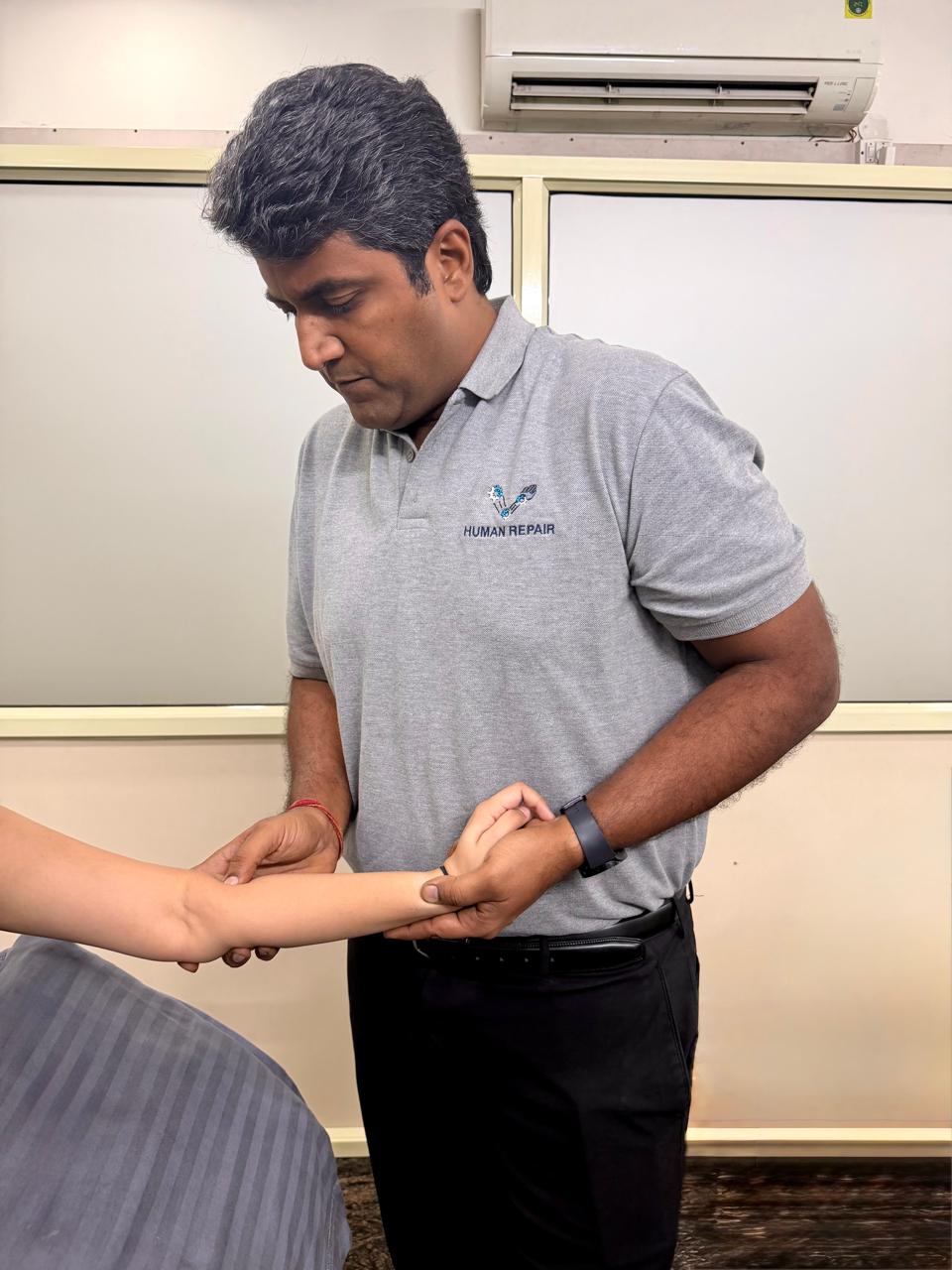
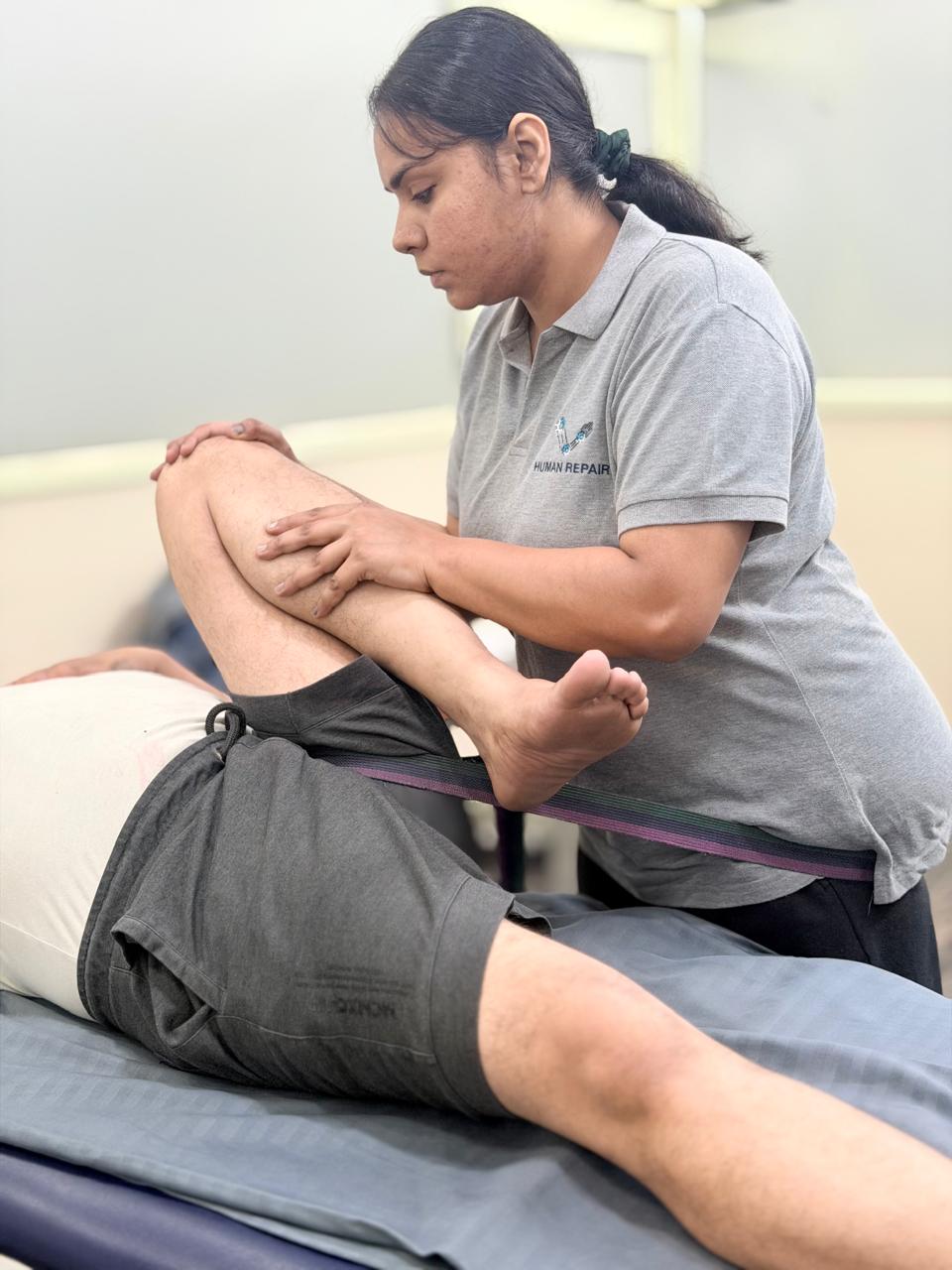
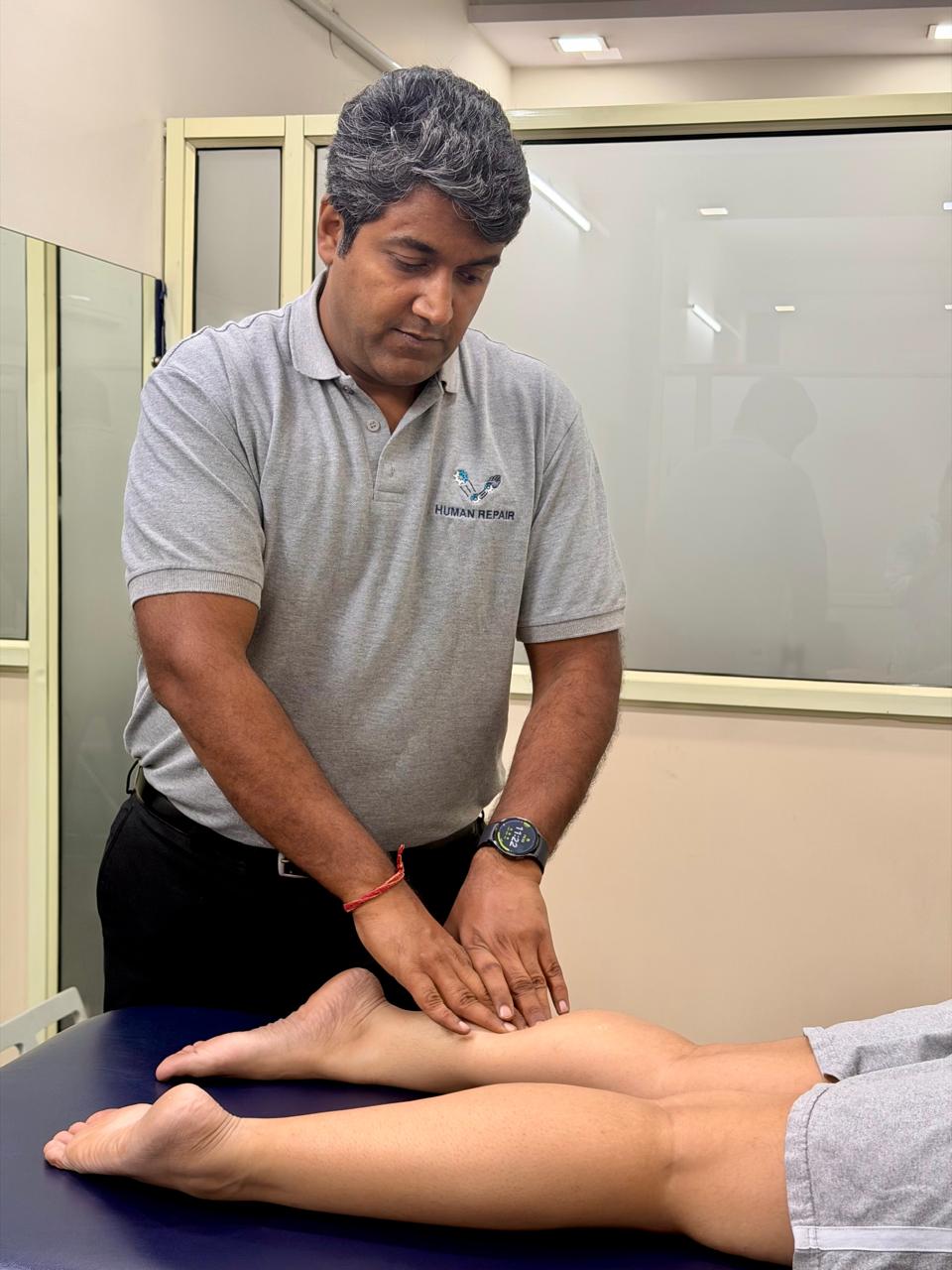
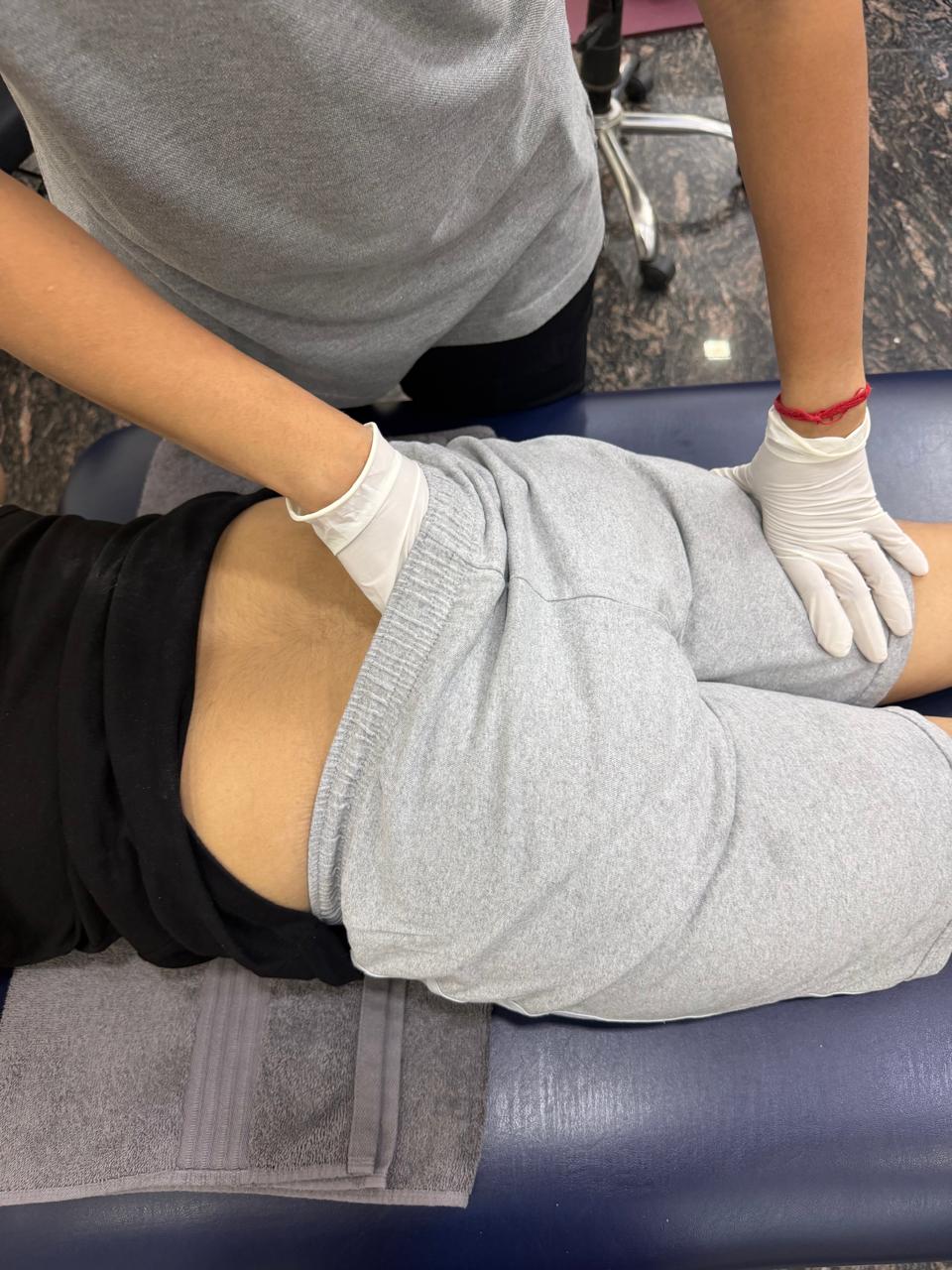
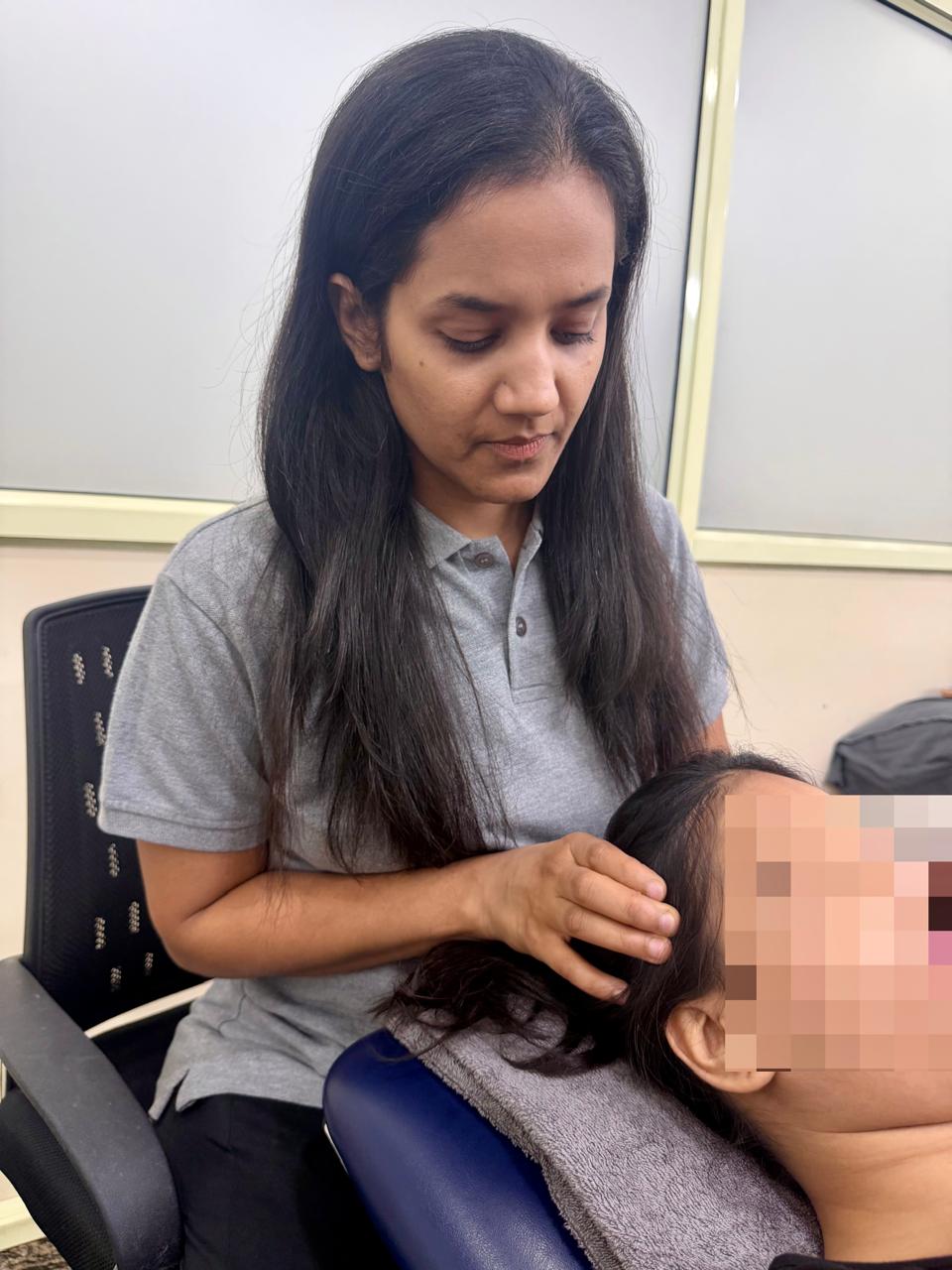
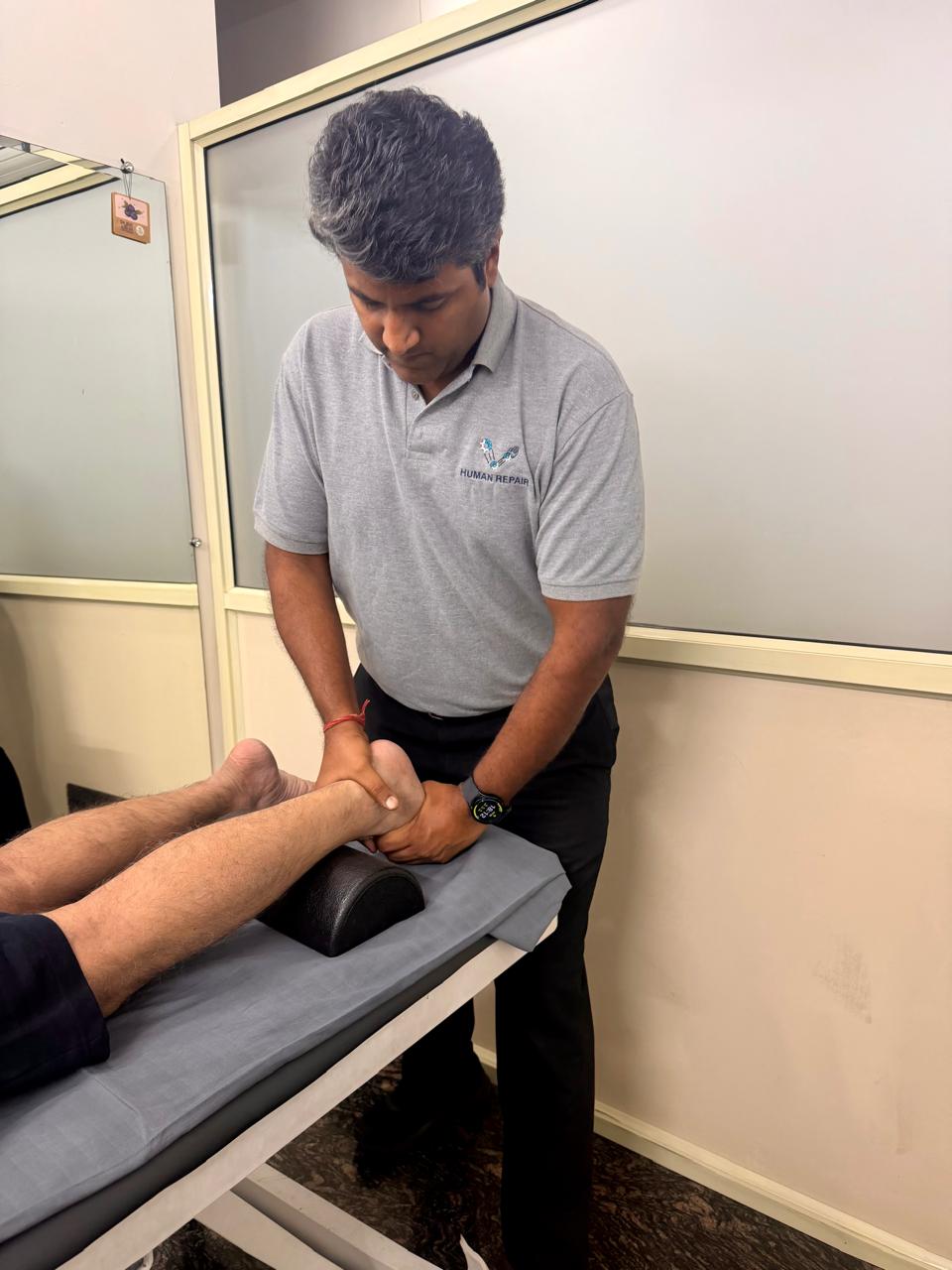
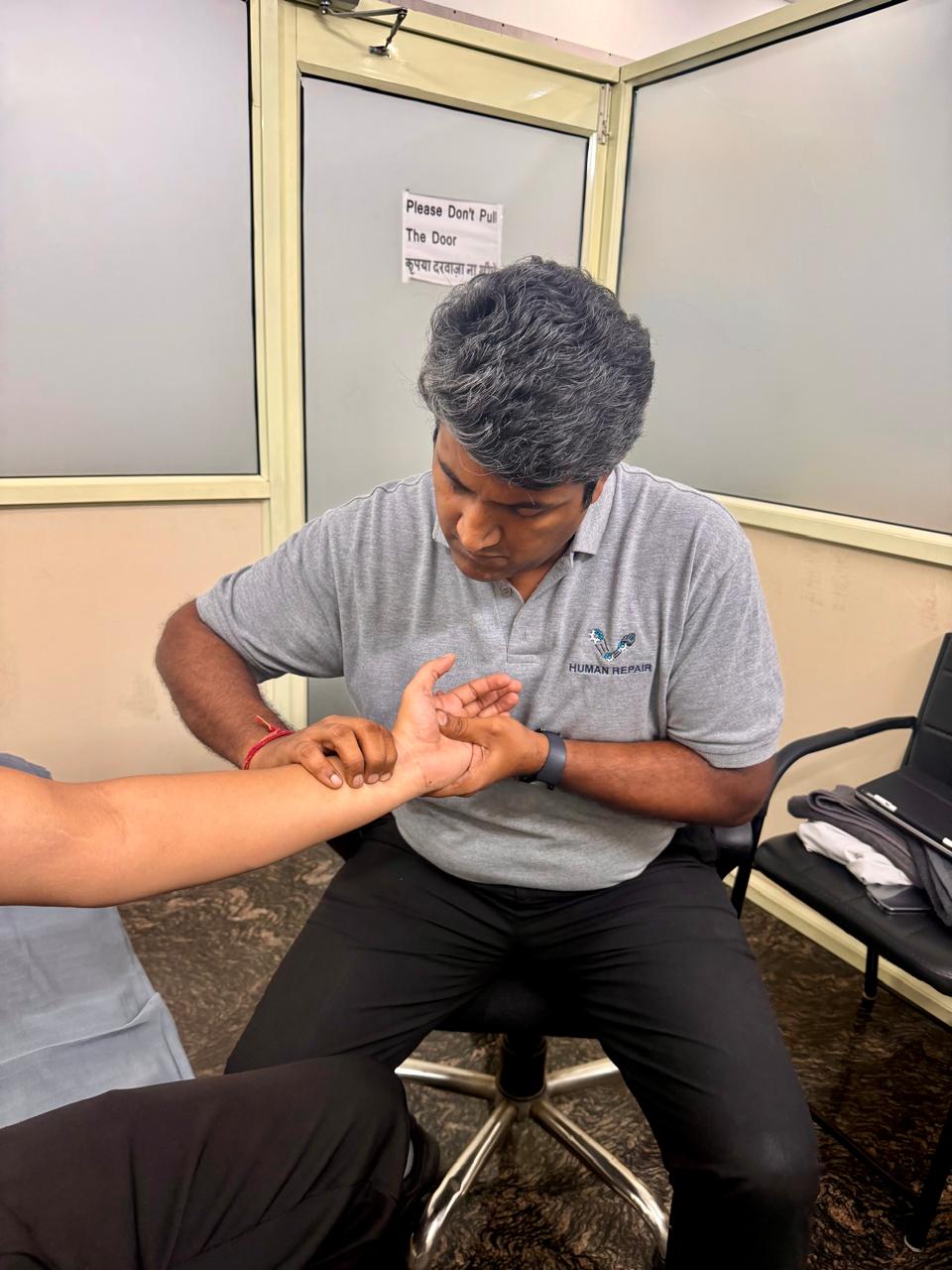
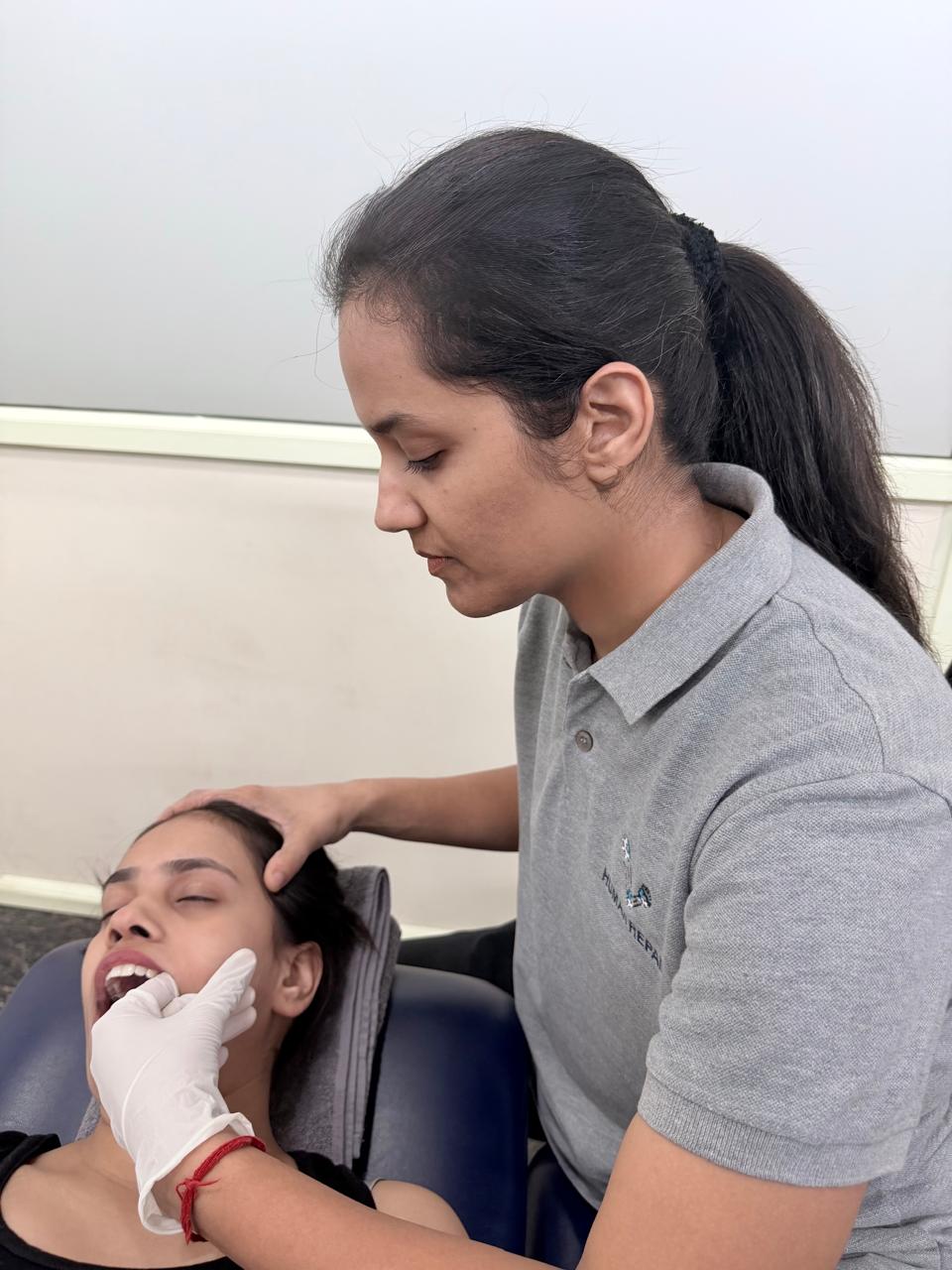
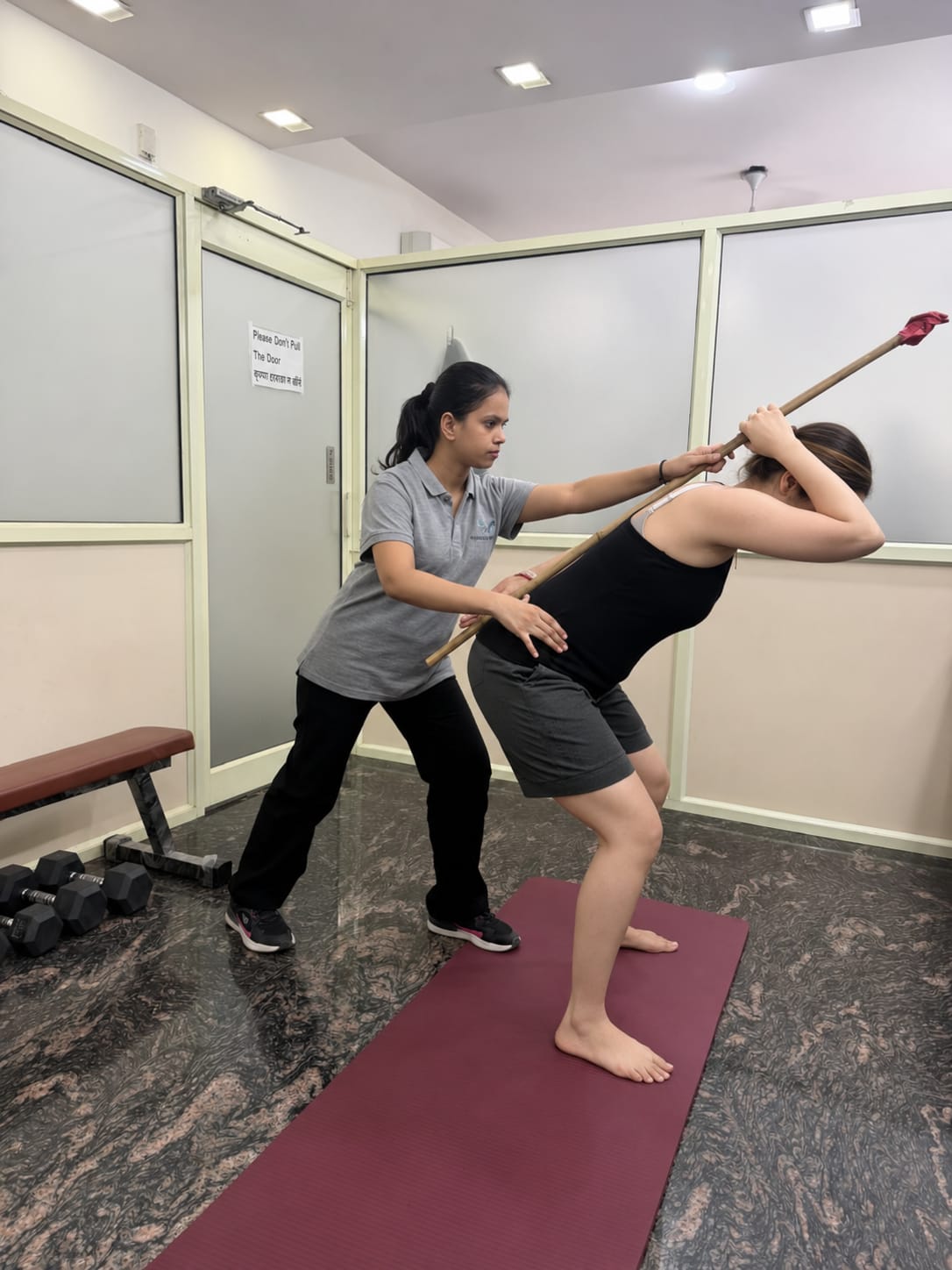
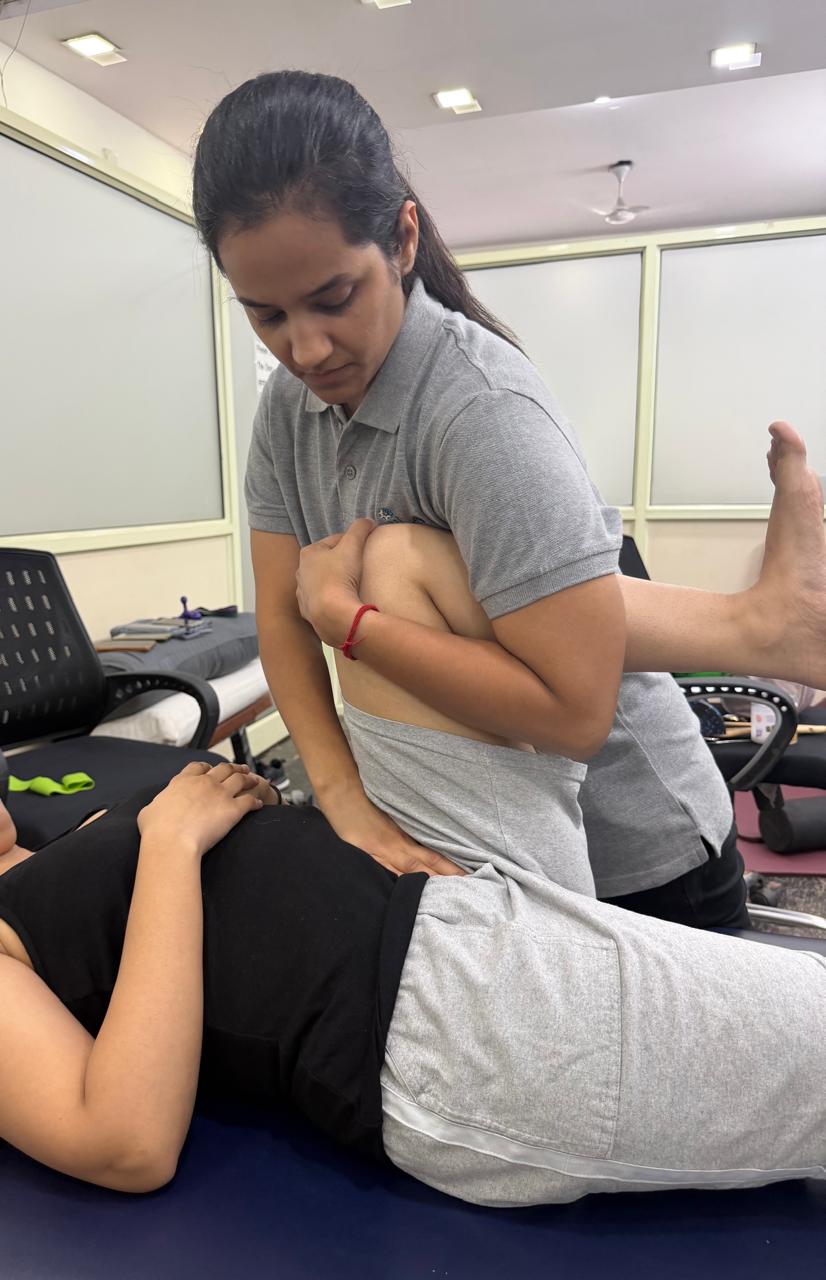
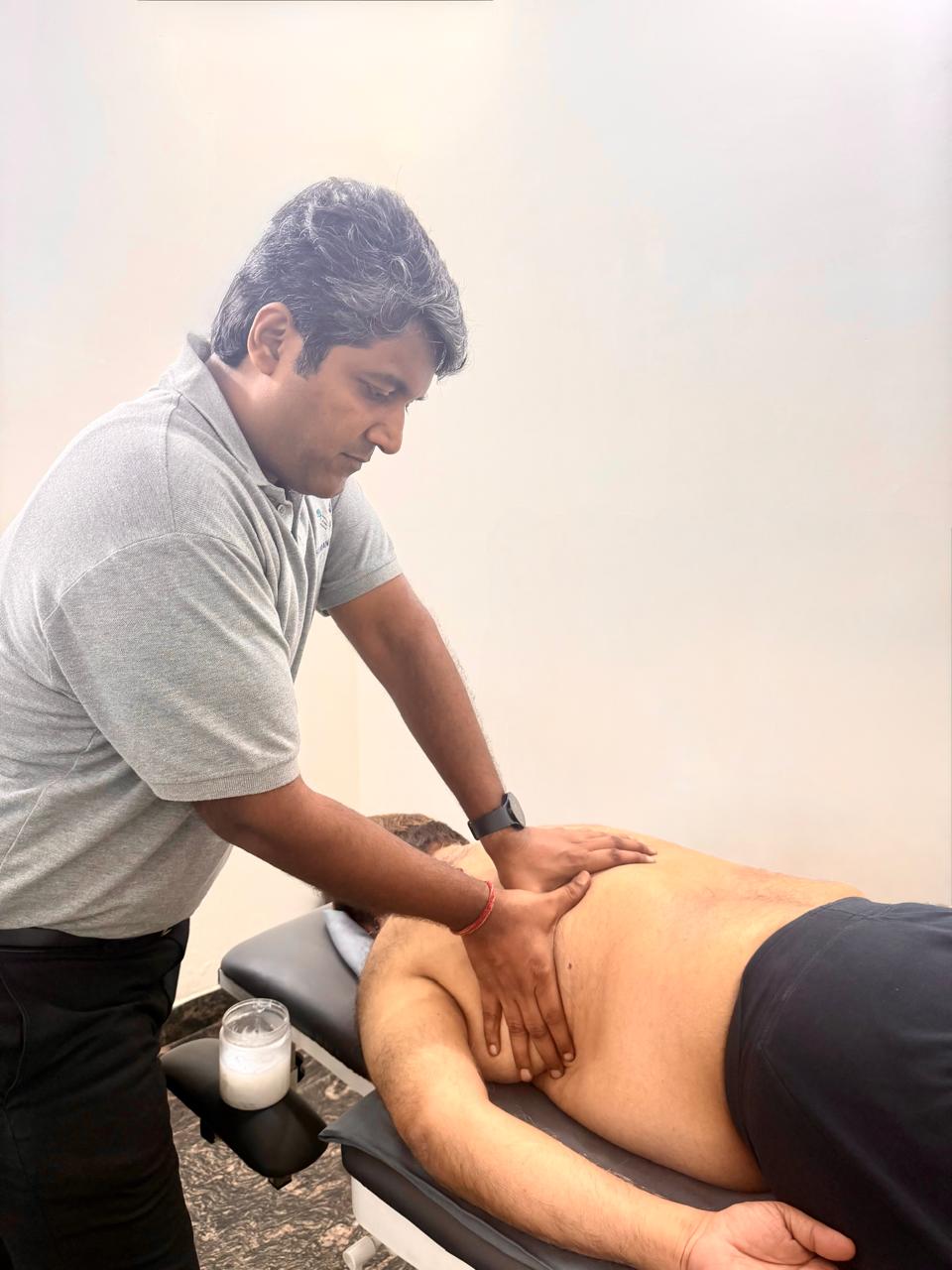
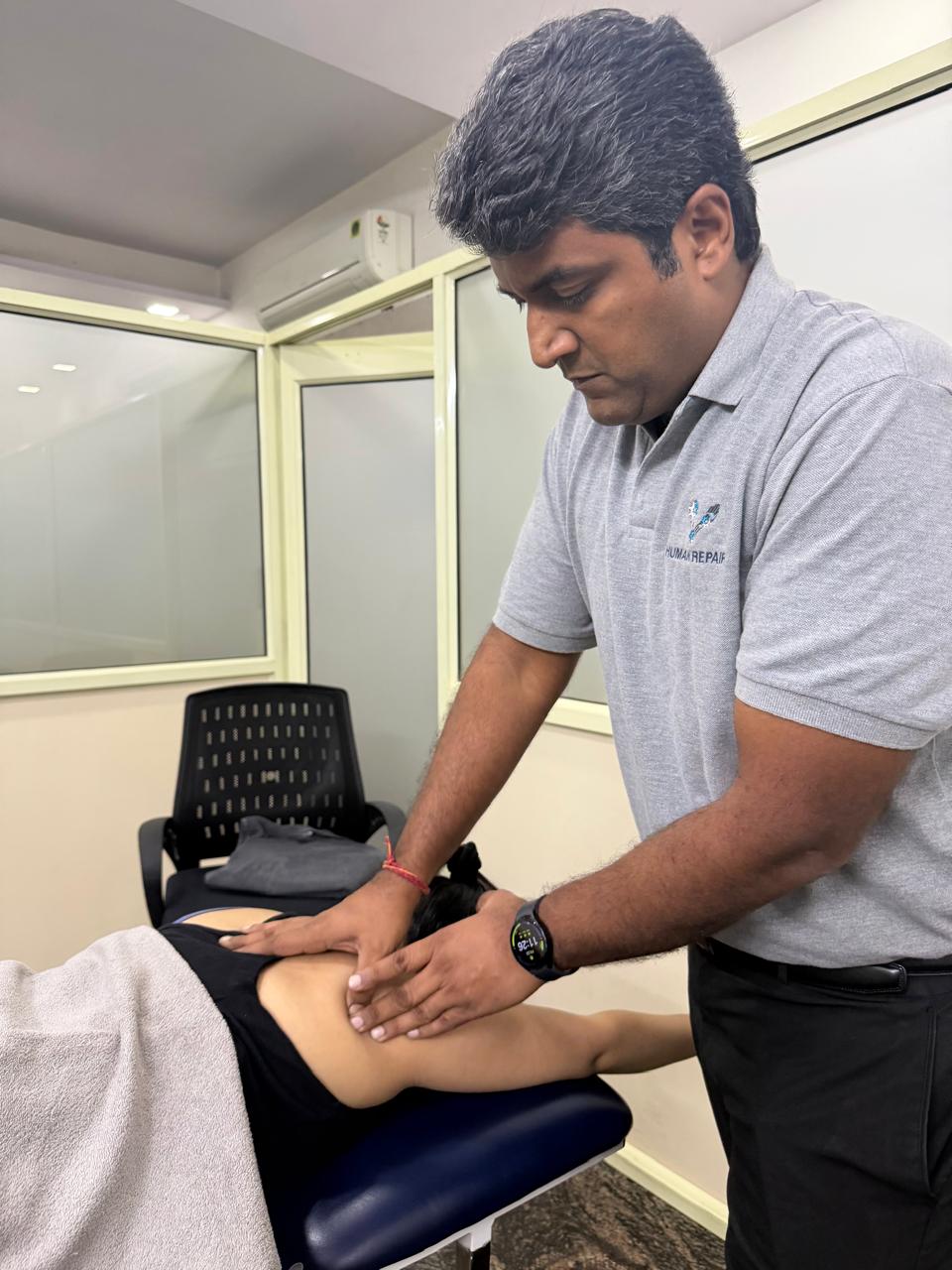
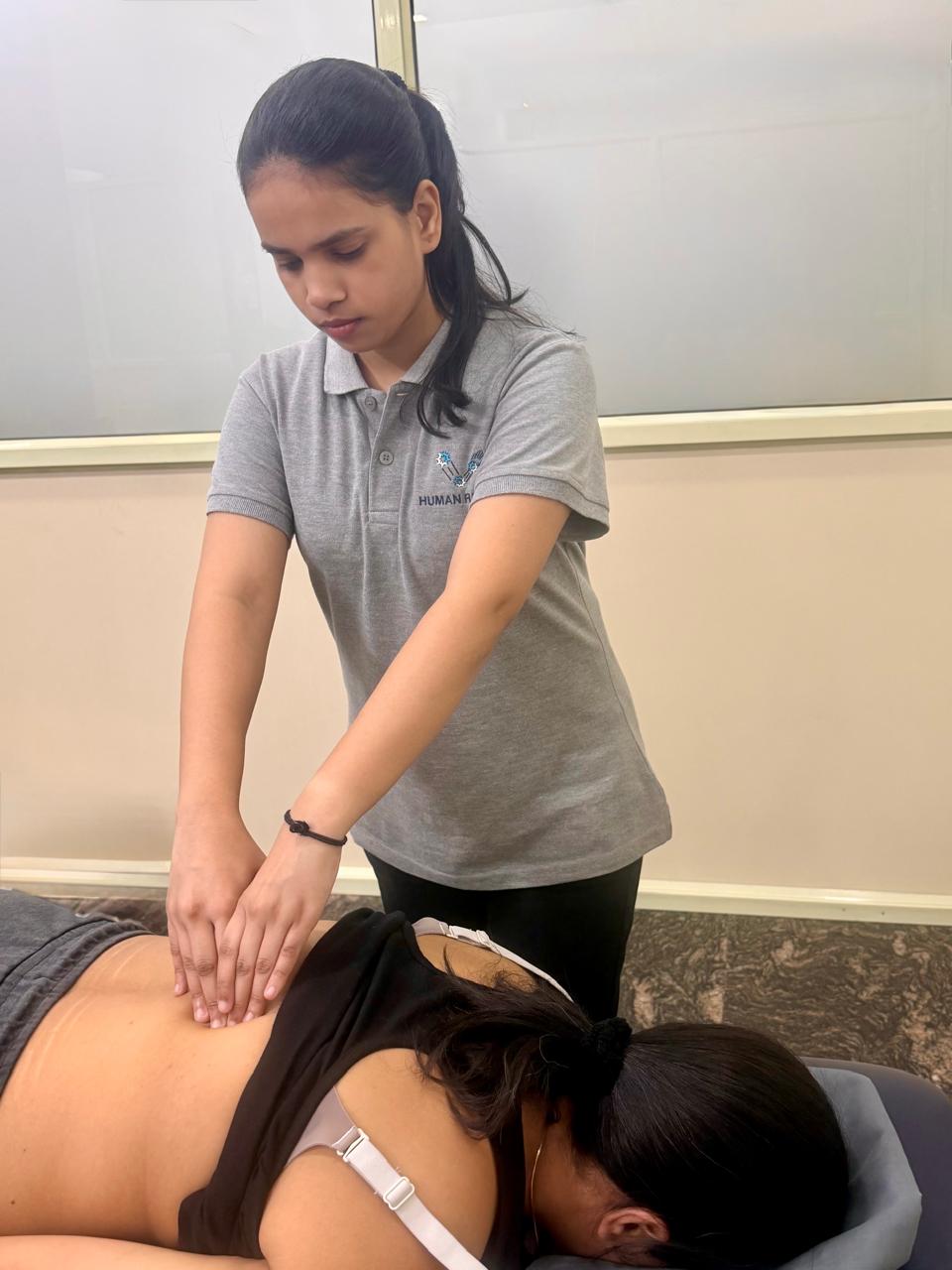
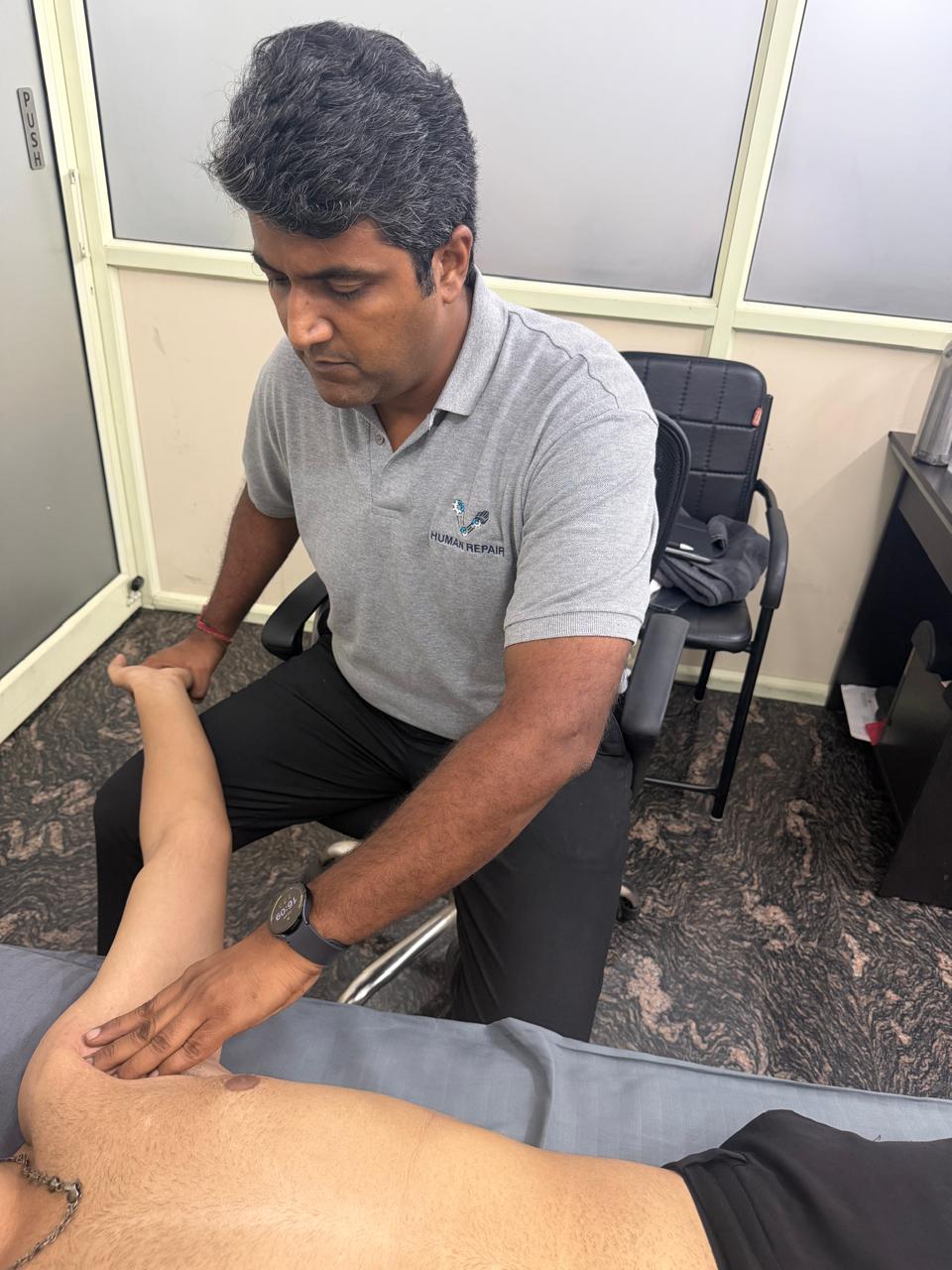
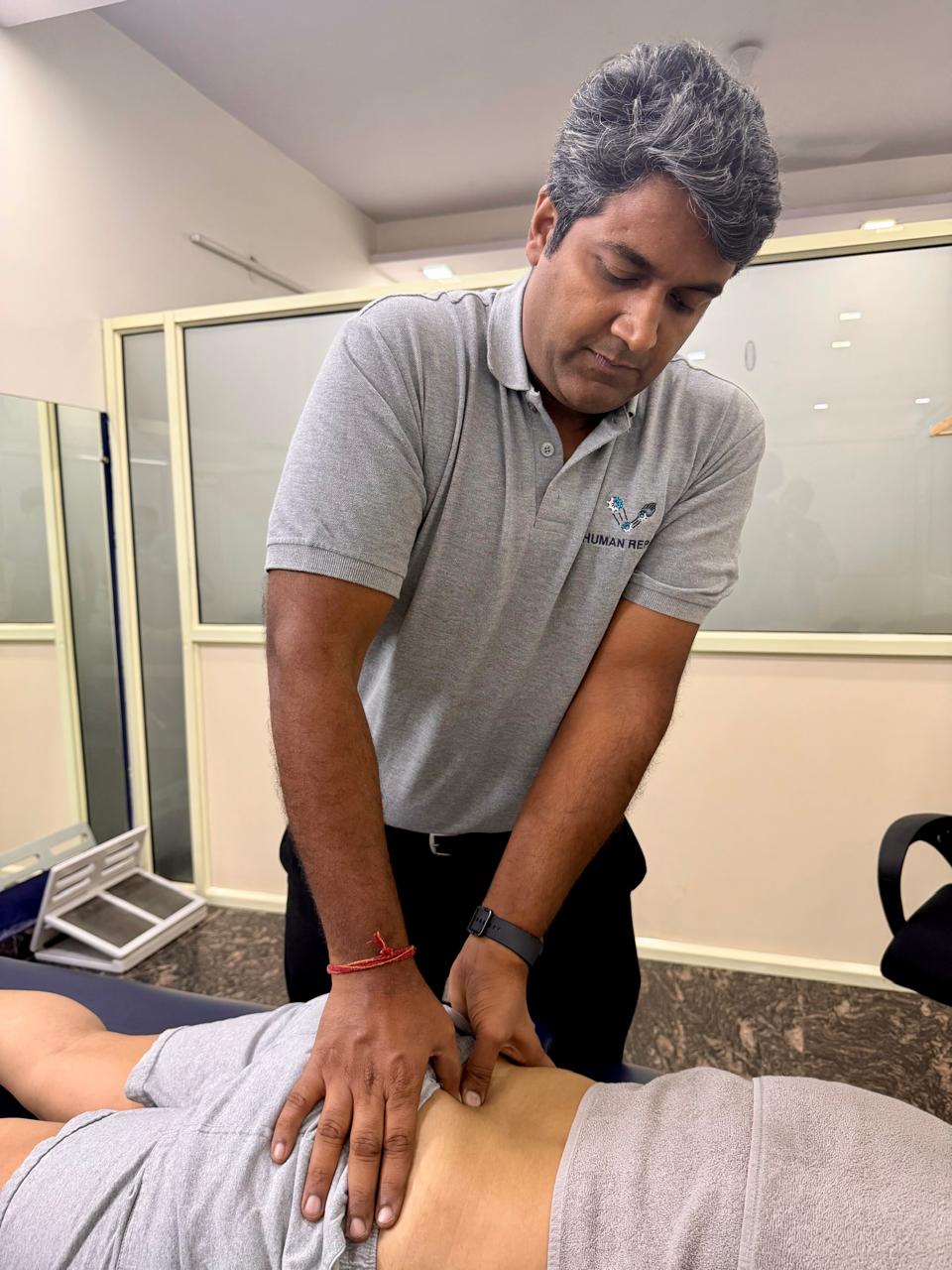
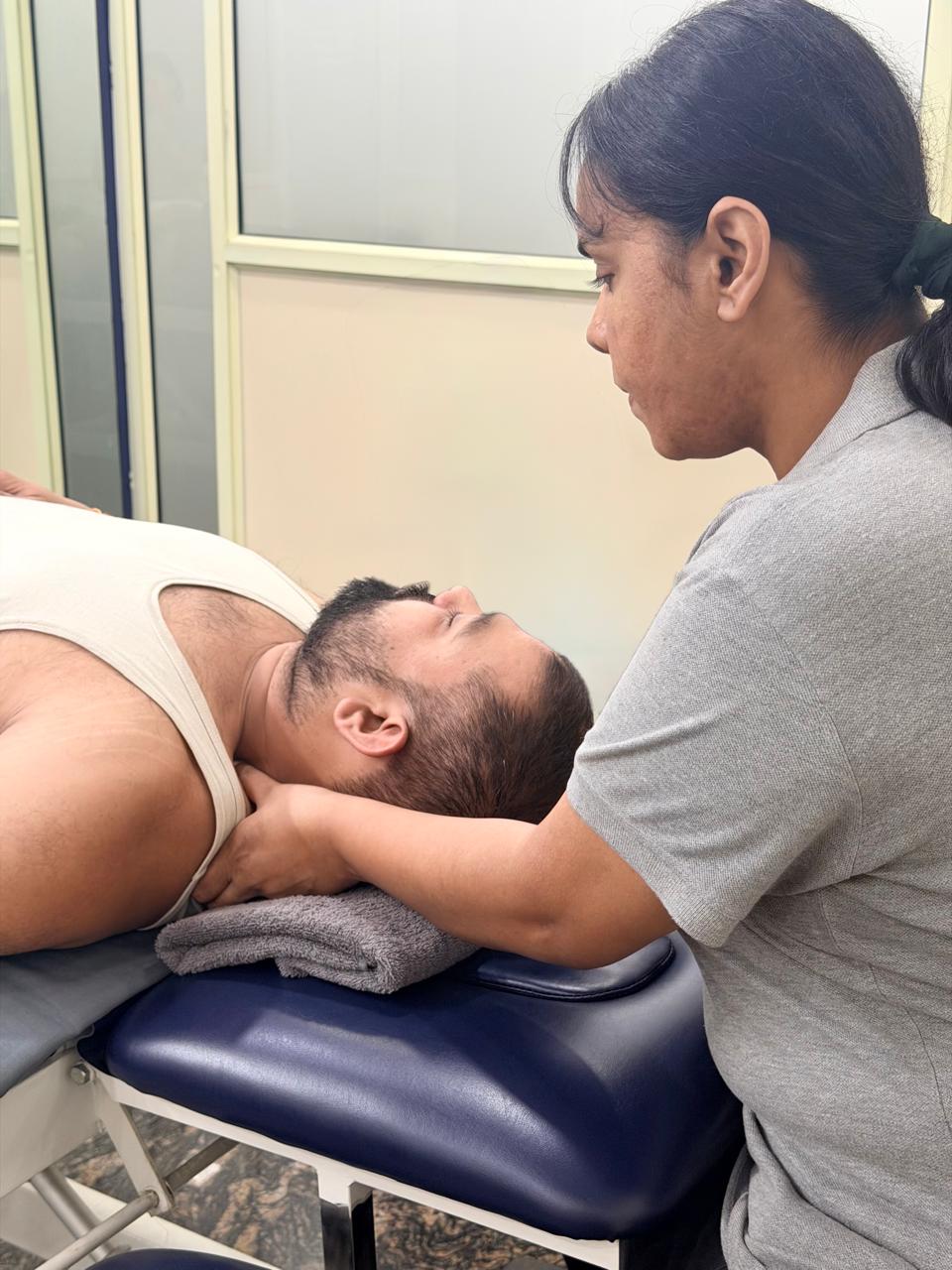
Through our signature Integrated Functional Therapy™ (IFT) approach, we assess relevant movement dysfunctions, address soft-tissue restrictions, restore joint mechanics where appropriate and teach specific exercises to support lasting improvement.

Back Pain

1. Back Pain

Back pain may result from muscle overload, spinal joint irritation, disc-related problems or prolonged inactivity.

We assess lumbar and hip movement, muscle control and the activities that trigger your symptoms.

Treatment may include lumbar joint mobilisation, paraspinal and gluteal myofascial release, and deep core strengthening.

We retrain lifting, sitting and movement habits to improve function and reduce recurring episodes.

Neck Pain

2. Neck Pain

Neck pain commonly develops from sustained screen work, muscle overload, cervical joint stiffness or degenerative changes.

We identify restrictions in the cervical and thoracic spine and assess surrounding muscles and shoulder-blade control.

Treatment may include suboccipital and levator scapulae release, thoracic joint mobilisation and deep -flexor strengthening.

We teach practical posture strategies, movement breaks and exercises to help maintain improvement.

Knee Pain

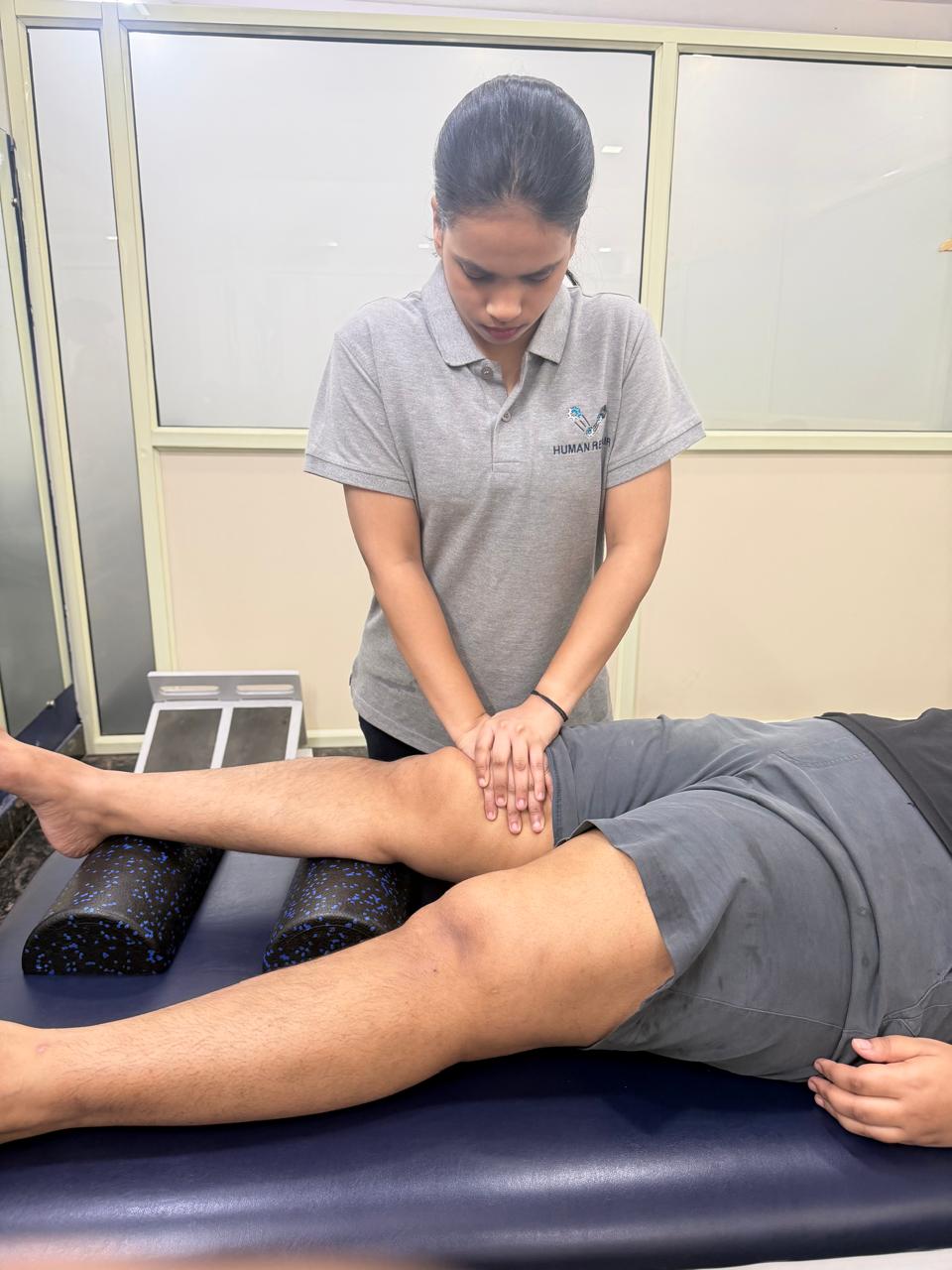
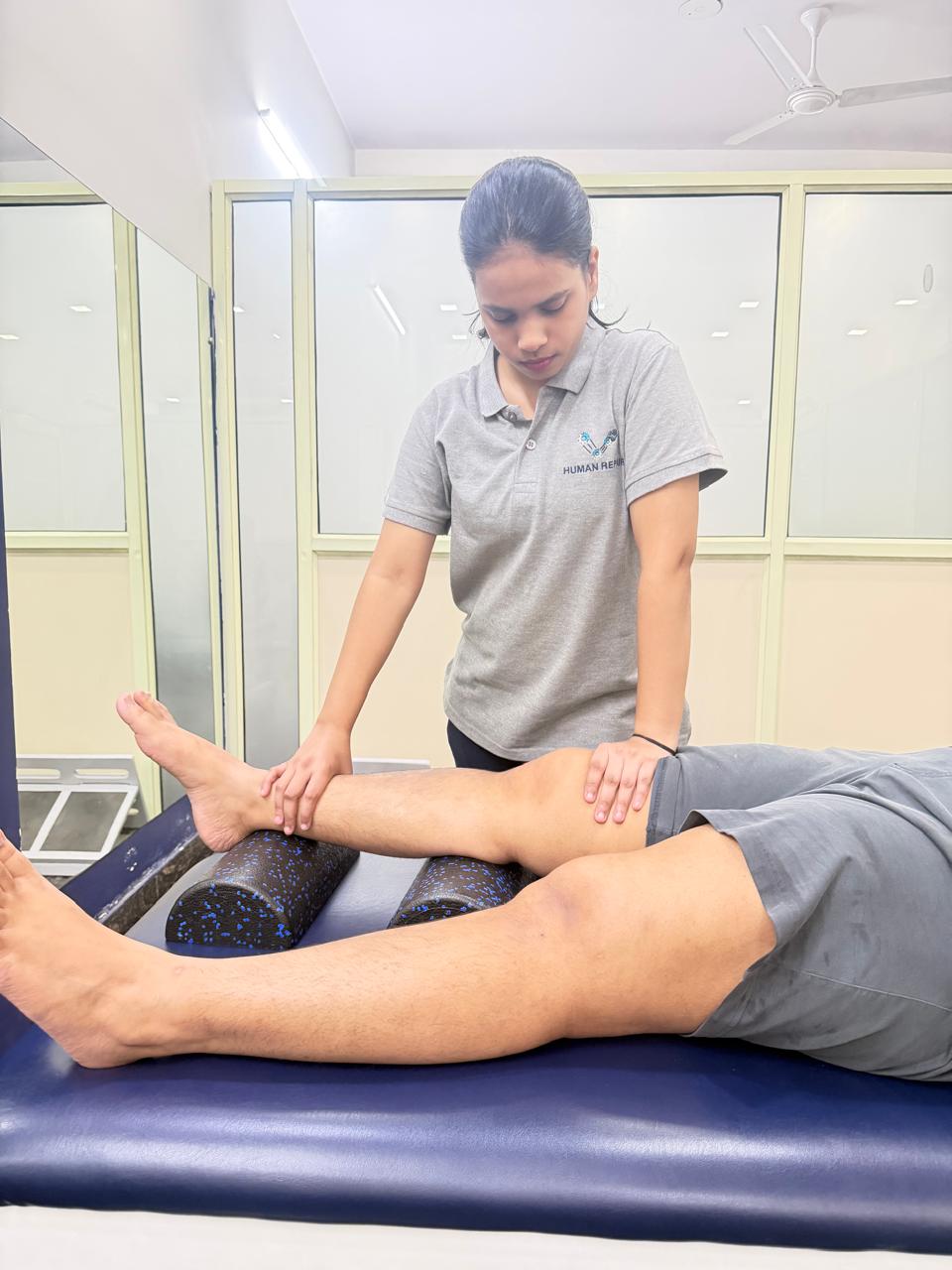
3. Knee Pain

Knee pain can arise from patellofemoral overload, meniscal injuries, tendon irritation or altered movement mechanics.

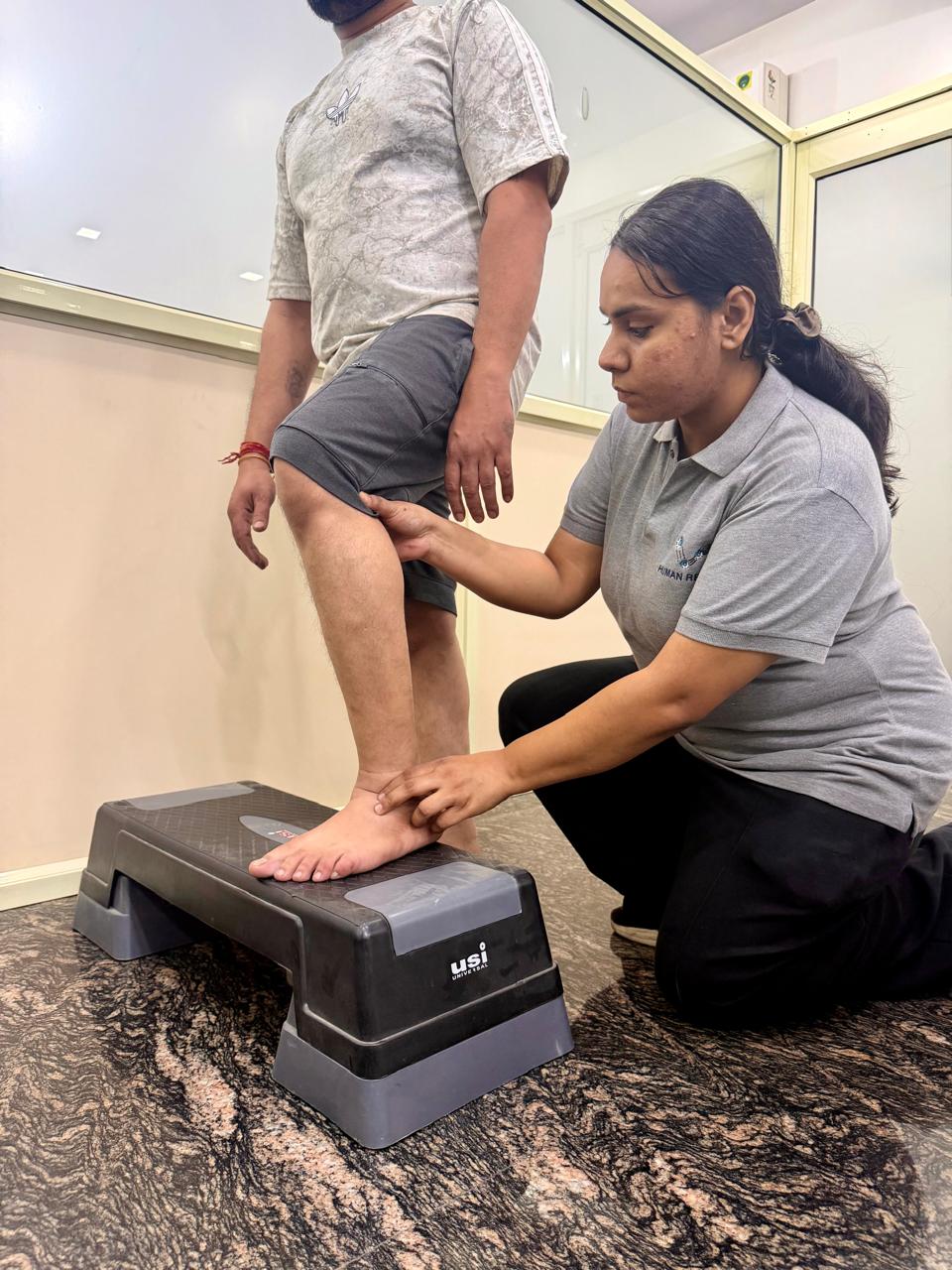
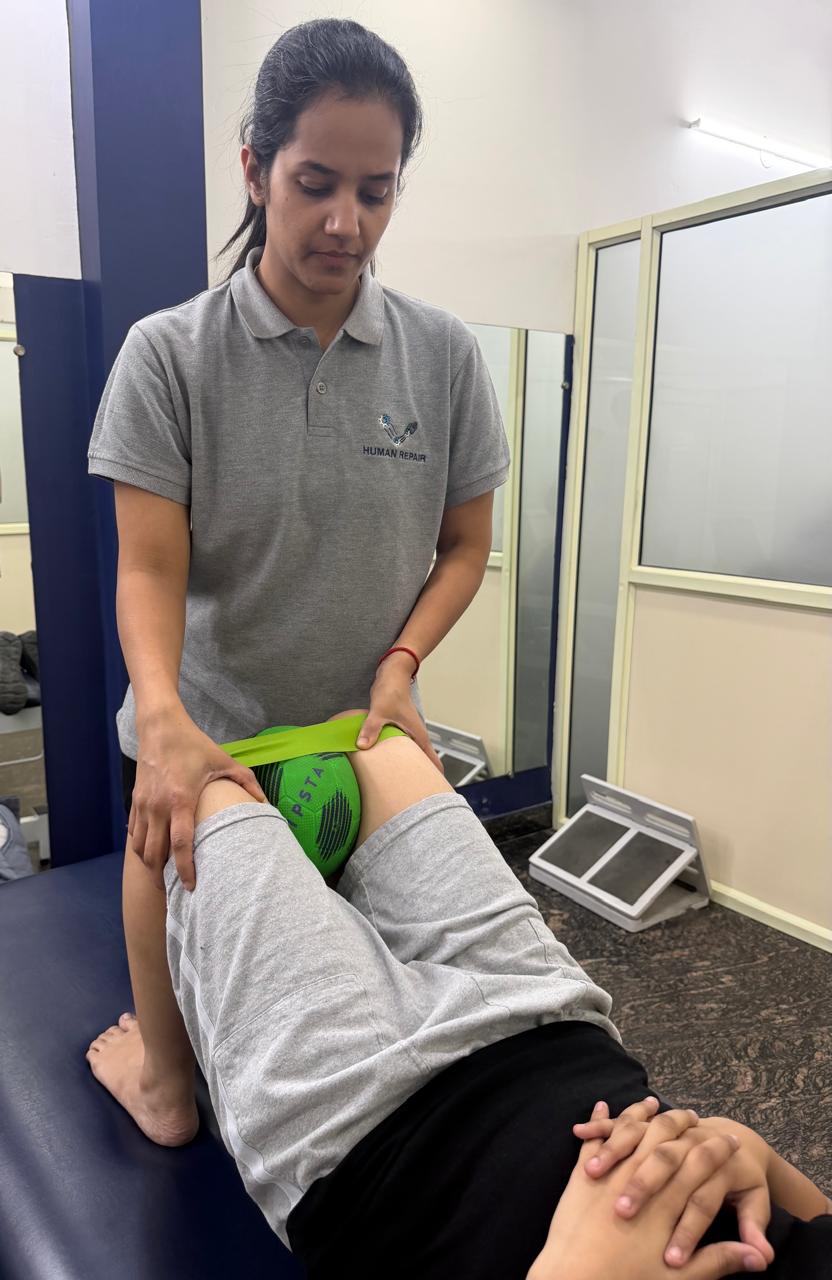
We assess knee mobility, patellar movement, hip strength, ankle flexibility and functional loading patterns.

Treatment may include patellar mobilisation, quadriceps and gluteal strengthening, core-muscle strengthening, and step or squat retraining.

Our goal is to improve joint loading, restore confident movement and reduce recurring discomfort.

Sciatica

4. Sciatica

Sciatica causes pain, tingling or numbness radiating down the leg, commonly from irritation of a lumbar nerve root.

We examine spinal movement, neurological signs and nerve sensitivity to identify contributing factors.

Treatment may include symptom-guided lumbar movements, sciatic nerve mobilisation and trunk–hip strengthening with deep core-muscle activation.

We guide safe sitting, lifting and walking habits and recommend medical assessment when necessary.

Knee Osteoarthritis

5. Knee Osteoarthritis

Knee osteoarthritis commonly causes pain, stiffness and reduced walking or stair-climbing tolerance.

We assess knee range, muscle weakness, walking patterns and factors that increase joint loading.

Treatment may include tibiofemoral or patellar mobilisation, progressive quadriceps and core-muscle strengthening, and functional movement training.

We develop sustainable exercise and activity strategies to improve mobility and manage symptoms over time.

Shoulder Pain

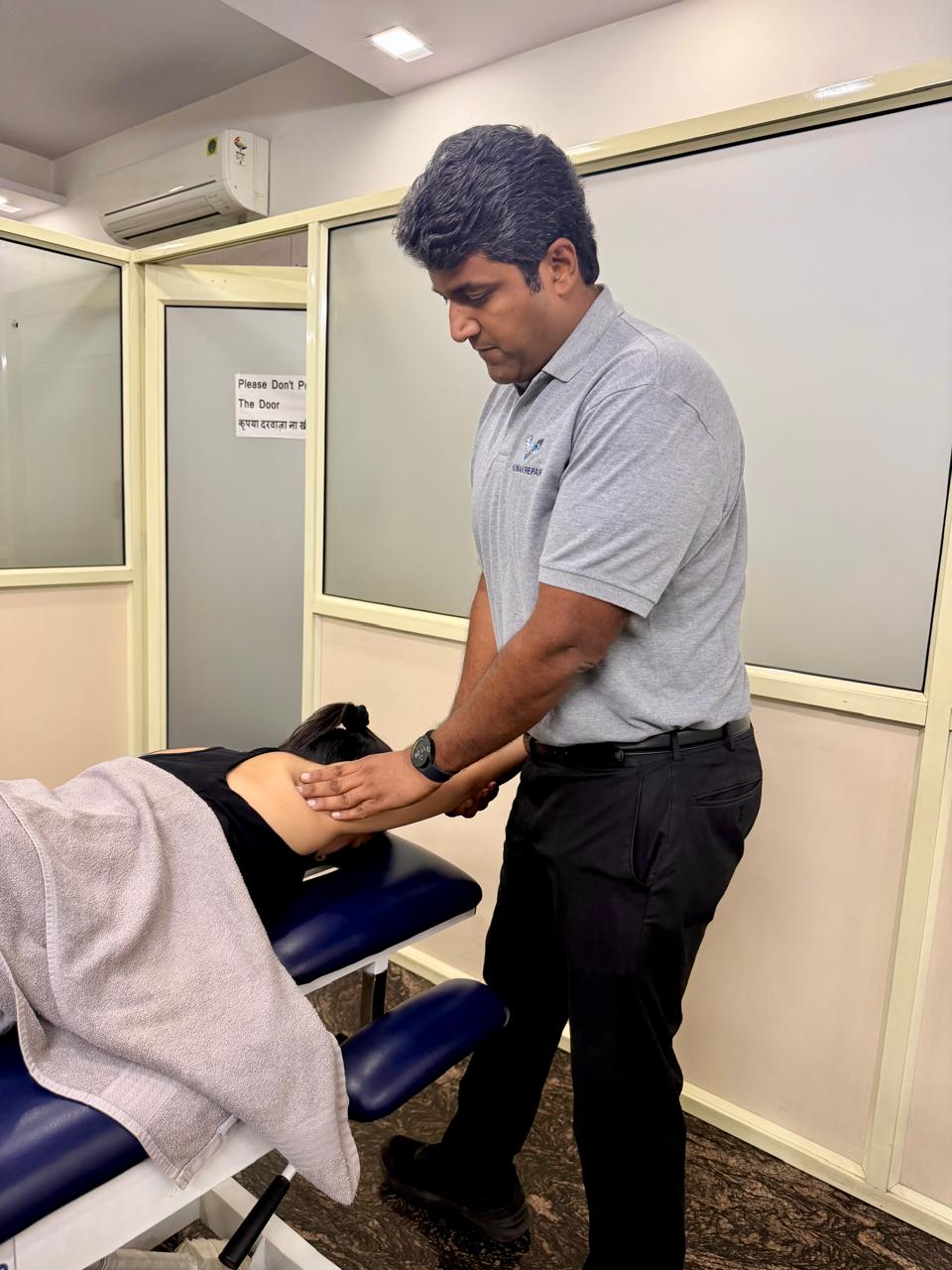
6. Shoulder Pain

Shoulder pain may result from rotator-cuff problems, joint stiffness, muscle overload or pain referred from the .

We assess glenohumeral mobility, scapular movement, rotator-cuff strength and cervical contributions.

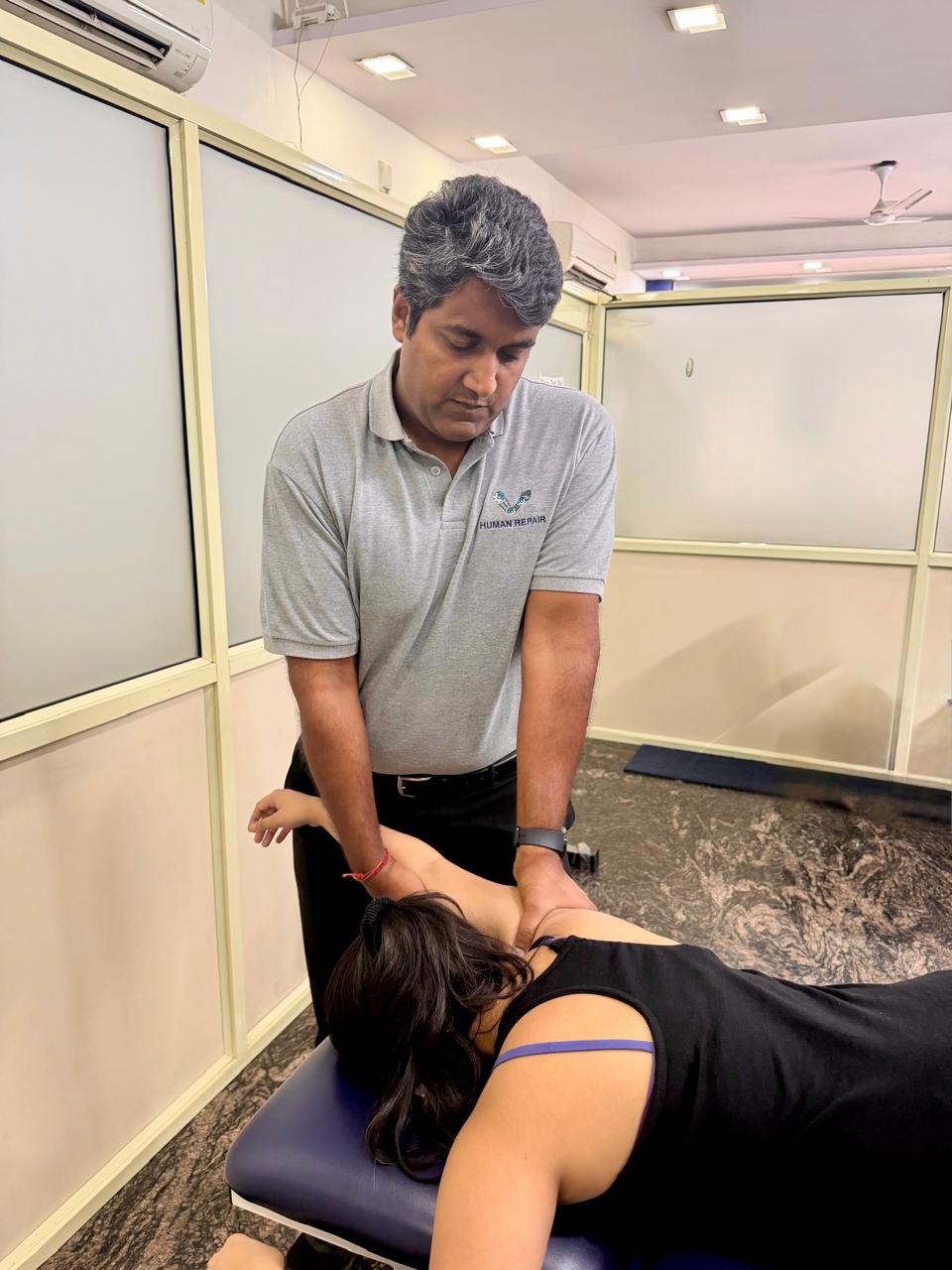
Treatment may include posterior shoulder or pectoral myofascial release, glenohumeral mobilisation, rotator-cuff strengthening and core-muscle strengthening to support shoulder control.

We retrain reaching, lifting and overhead movement to restore comfortable shoulder function.

Frozen Shoulder

7. Frozen Shoulder

Frozen shoulder, or adhesive capsulitis, causes progressive shoulder pain and significant movement restriction.

It occurs when the shoulder capsule becomes restricted and is more common in people with diabetes or thyroid disorders.

Treatment may include stage-specific glenohumeral mobilisation, gentle capsular stretching, scapular-control exercises and progressive core-muscle strengthening.

We guide progressive rehabilitation without forcing painful movements, supporting the gradual return of shoulder function.

Plantar Fasciitis

8. Plantar Fasciitis

Plantar fasciitis commonly causes heel pain during the first steps in the morning or after prolonged rest.

It may develop from increased standing or walking loads, reduced calf flexibility and insufficient foot–ankle strength.

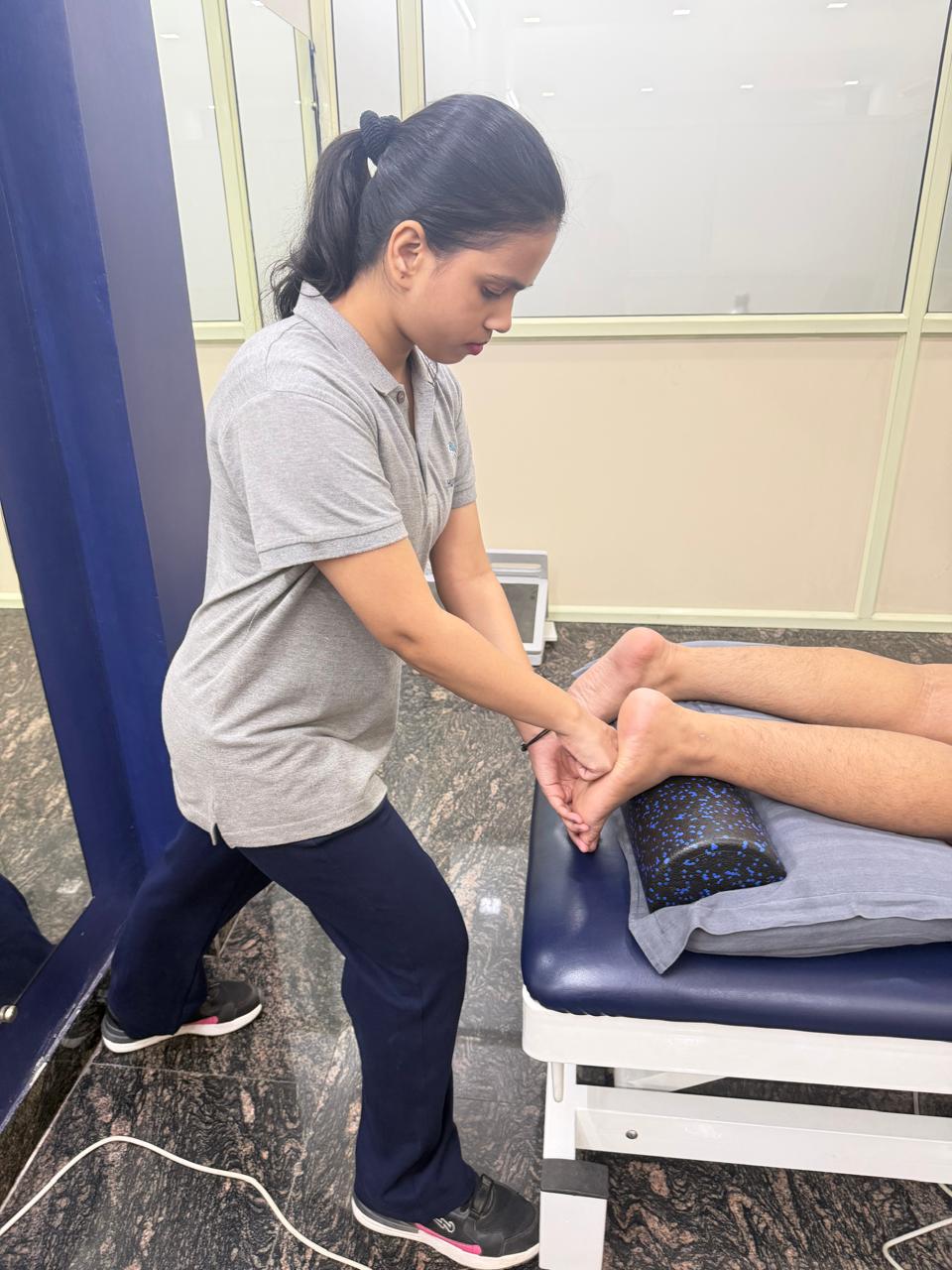
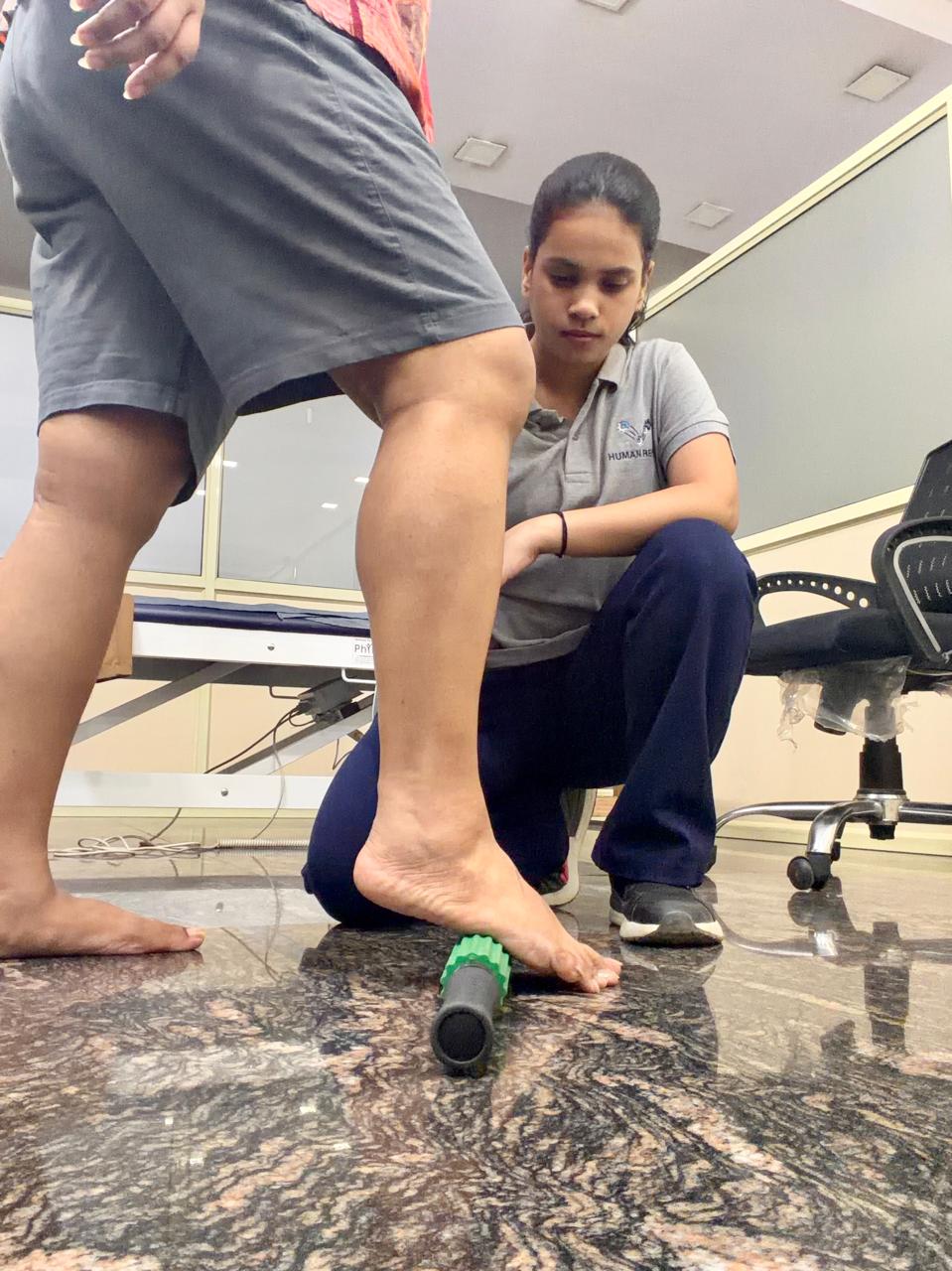
Treatment may include plantar fascia-specific stretching, ankle or calf mobilisation and progressive foot–calf and core-muscle strengthening.

We advise on footwear, activity modification and gradual loading to minimise repeated heel irritation.

Headaches

9. Headaches

Headaches may be tension-type, cervicogenic, migraine-related or due to other medical causes.

When cervical structures contribute, we assess upper- mobility, suboccipital tenderness and muscle endurance.

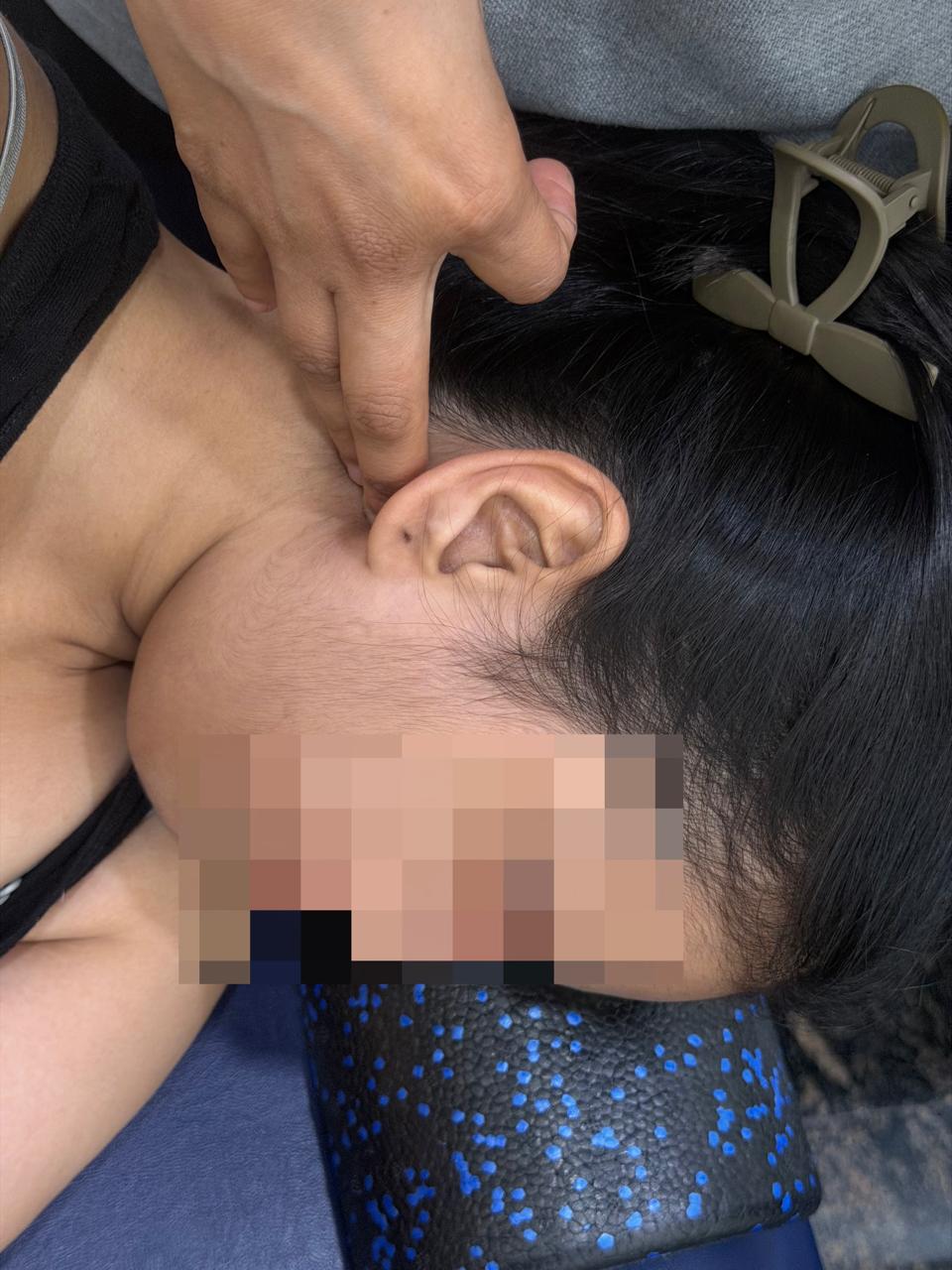
Treatment may include gentle upper-cervical mobilisation, suboccipital release and deep -flexor strengthening.

We teach movement and symptom-management strategies, with medical referral when headache features require it.

Vertigo

10. Vertigo

Vertigo creates a spinning sensation and may arise from inner-ear disorders, including benign paroxysmal positional vertigo (BPPV).

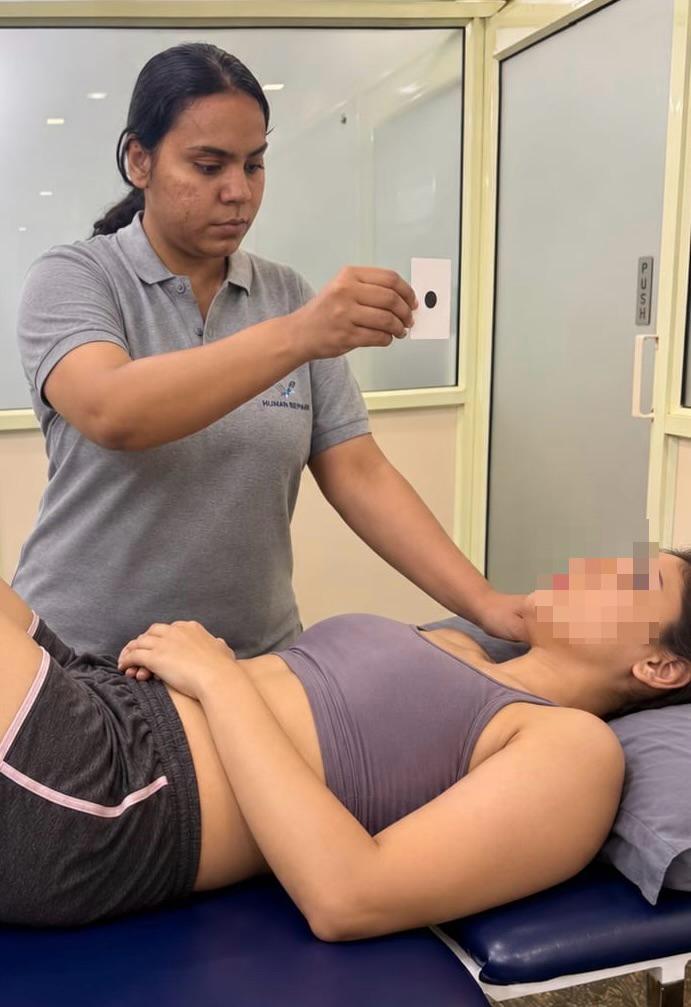
We evaluate symptom patterns and use appropriate positional tests to identify the likely source of dizziness.

Treatment may include canalith repositioning manoeuvres, vestibular gaze-stabilisation exercises and balance retraining, depending on the diagnosis.

We provide safety guidance and recurrence-management advice while referring conditions requiring specialist care.

Elbow Pain — Tennis Elbow / Golfer's Elbow

11. Elbow Pain — Tennis Elbow / Golfer's Elbow

Elbow pain commonly results from repetitive gripping, lifting, racket sports or excessive loading of the forearm tendons.

We examine tendon sensitivity, forearm muscle strength, grip capacity and contributing movement patterns.

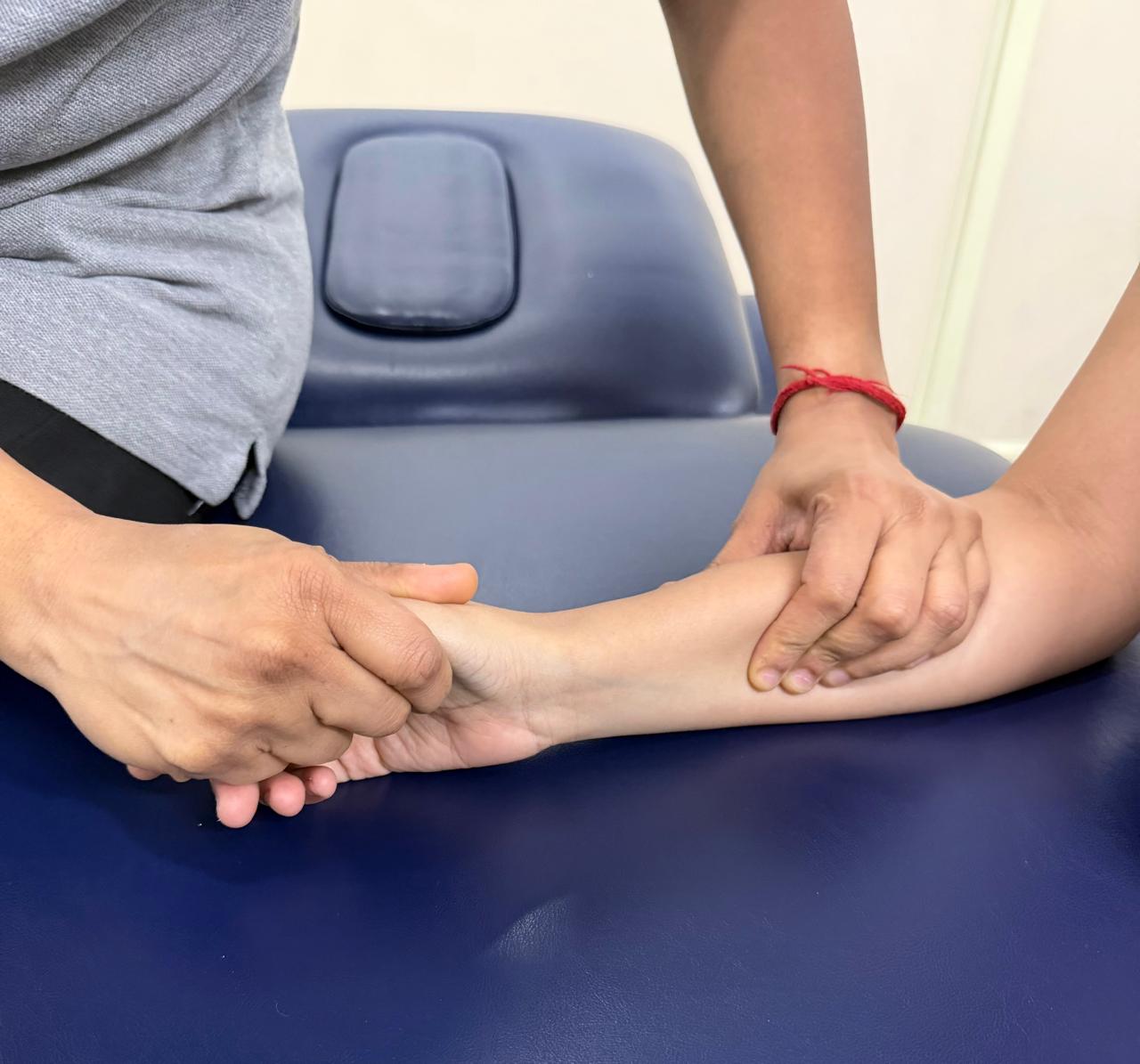
Treatment may include forearm myofascial release, progressive wrist-flexor or extensor loading, grip-strength retraining and core-muscle strengthening for improved lifting control.

We guide work and sporting modifications to restore tendon capacity and reduce recurrent overload.

Hip Pain

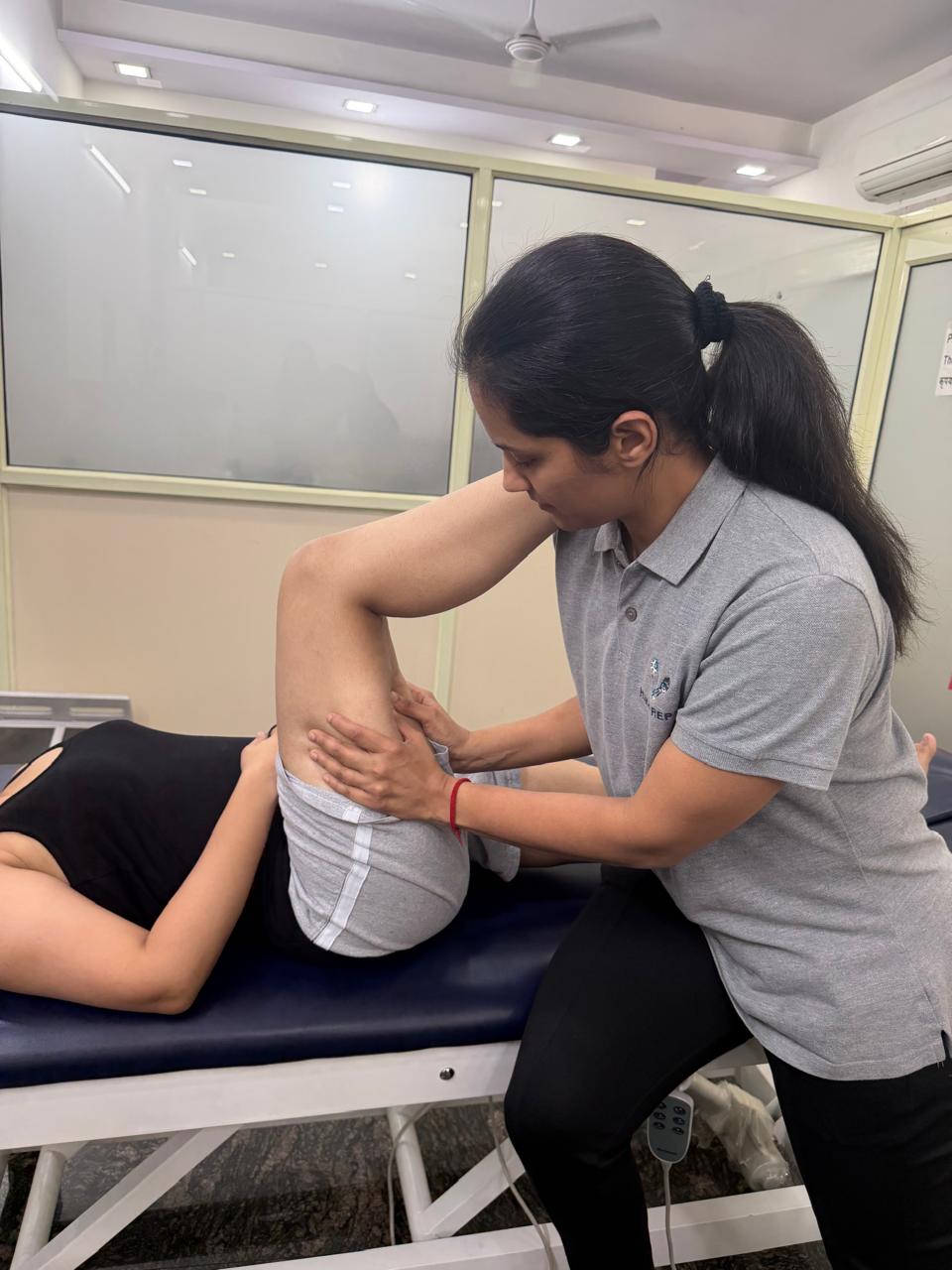
12. Hip Pain

Hip pain may develop from osteoarthritis, gluteal tendinopathy, hip joint irritation or problems referred from the spine.

We assess hip mobility, gait, muscle strength and the movements that reproduce symptoms.

Treatment may include targeted hip joint mobilisation, gluteus medius and core-muscle strengthening, and hip-hinge or gait retraining, when appropriate.

We teach activity and loading modifications to improve mobility and support sustainable recovery.

Ankle & Foot Pain

13. Ankle & Foot Pain

Ankle and foot pain can occur after sprains, tendon overload, joint stiffness or repetitive walking and sports stress.

We assess talocrural and subtalar mobility, foot stability, calf strength and weight-bearing mechanics.

Treatment may include ankle joint mobilisation, peroneal or tibialis posterior strengthening, core-muscle strengthening and proprioceptive balance training.

We help restore confident walking, improve foot control and plan a graded return to activity.

Coccyx / Tailbone Pain

14. Coccyx / Tailbone Pain

Tailbone pain may follow falls, childbirth or prolonged sitting and can involve surrounding soft tissues and pelvic-floor tension.

We assess sitting tolerance, sacrococcygeal sensitivity and relevant lumbopelvic and pelvic-floor function.

Treatment may include gentle external sacrococcygeal soft-tissue mobilisation, pelvic-floor relaxation exercises, deep core-muscle strengthening and graded sitting rehabilitation.

We teach pressure-relieving sitting strategies and movements to reduce repeated irritation.

Sports Injuries

15. Sports Injuries

Sports injuries include muscle strains, ligament sprains and tendon overload caused by trauma or excessive training loads.

We assess tissue healing, joint mobility, muscular strength and sport-specific movement requirements.

Treatment may include targeted joint mobilisation, progressive strength loading, core-muscle strengthening and balance or plyometric retraining.

We guide your return to sport using functional milestones to improve performance and reduce reinjury risk.

Knee Ligament Injuries

16. Knee Ligament Injuries

ACL, PCL, MCL and LCL injuries can occur during twisting, sudden direction changes, contact or sporting trauma.

We assess swelling, joint stability, movement restrictions and muscular control, considering surgical advice when relevant.

Rehabilitation includes protected knee mobility, progressive quadriceps and core-muscle strengthening and proprioceptive training.

Our structured recovery plans help restore strength, joint confidence and safe return to activity.

Post-Surgical Rehabilitation

17. Post-Surgical Rehabilitation

Orthopaedic surgery can leave patients with pain, swelling, weakness, stiffness and difficulty performing everyday activities.

We assess healing, movement restrictions, strength deficits and surgical precautions.

Once appropriate, treatment may include scar mobilisation, controlled joint range-of-motion exercises, progressive functional strengthening and core-muscle strengthening.

We guide the return to walking, stairs, work and daily activities through individualised rehabilitation.

Flat Feet

18. Flat Feet

Flat feet describe reduced foot arches and may contribute to discomfort or fatigue, although many people remain symptom-free.

We assess flexible versus rigid foot posture, calf flexibility, muscle control and walking mechanics.

Where symptoms are present, treatment may include foot-intrinsic strengthening, tibialis posterior exercises, calf mobility training and core-muscle strengthening to improve lower-limb control.

We provide footwear and orthotic guidance when needed, focusing on comfortable and efficient foot function.

Migraine

19. Migraine

Migraine is a neurological condition that causes recurrent headaches, sometimes accompanied by nausea and sensitivity to light or sound.

Sleep disruption, hormonal changes and stress may influence attacks, while tension can coexist with the condition.

As supportive care, treatment may include gentle cervical myofascial release, neck–scapular strengthening, core-muscle strengthening and relaxation training.

We help manage associated musculoskeletal symptoms alongside appropriate medical migraine care.

Achilles Tendinopathy

20. Achilles Tendinopathy

Achilles tendinopathy causes tendon pain and stiffness, often after a sudden increase in running, jumping or walking demands.

We assess calf strength, ankle range, training loads and whether symptoms involve the tendon midportion or insertion.

Treatment focuses on progressive calf resistance loading, selected ankle mobility work, core-muscle strengthening and graded return-to-running exercises.

We teach appropriate loading progression to rebuild tendon capacity and reduce repeated flare-ups.

Carpal Tunnel Syndrome

21. Carpal Tunnel Syndrome

Carpal tunnel syndrome occurs when the median nerve becomes compressed at the wrist, causing numbness, tingling or weakness.

We assess symptom patterns, hand function and wrist-loading habits to identify relevant contributing factors.

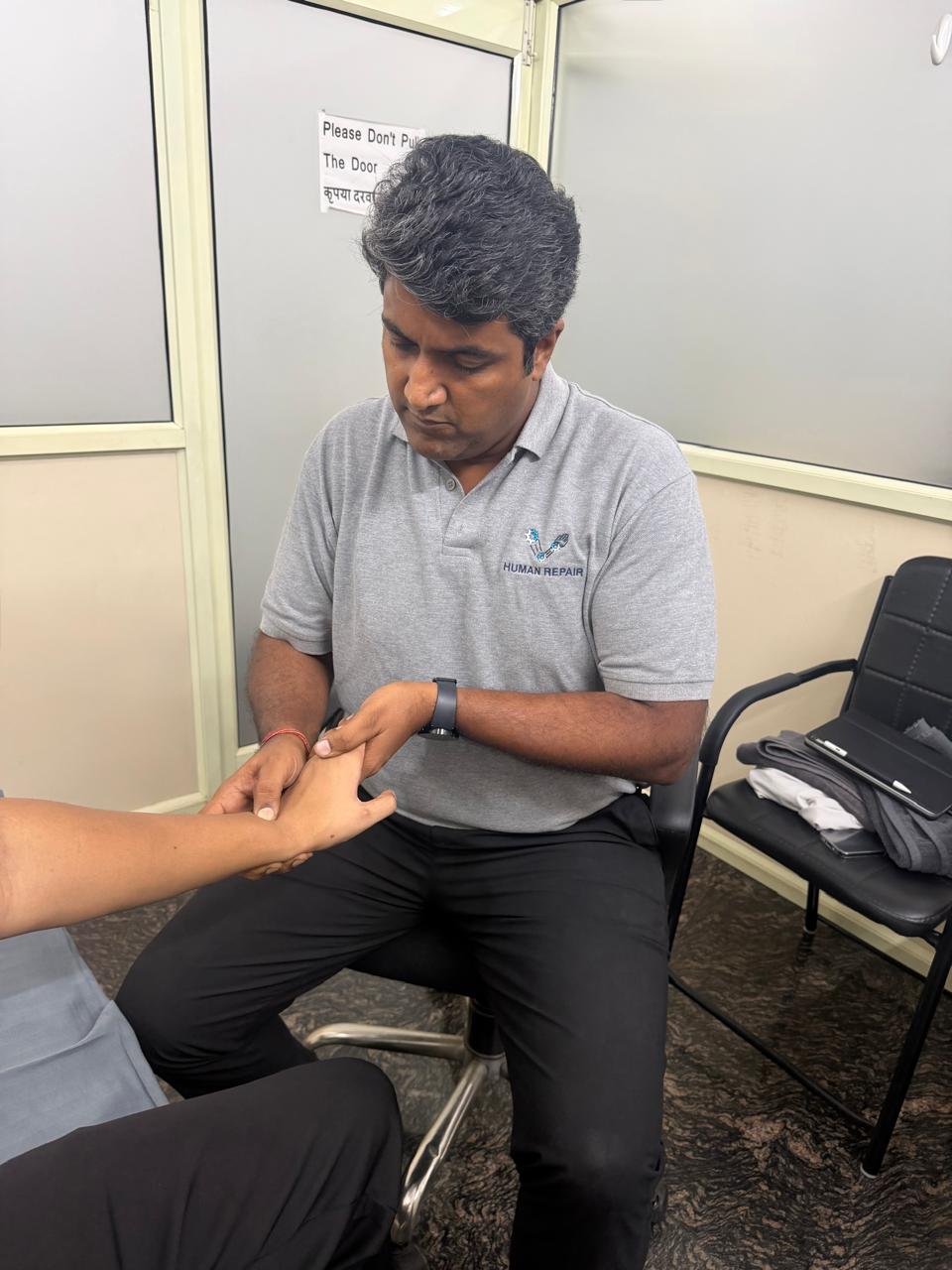
Conservative care may include neutral-wrist splint advice, ergonomic modification and gentle symptom-guided tendon or nerve gliding.

We teach ways to reduce aggravating positions and recommend medical review for persistent or progressive nerve symptoms.

Temporomandibular Joint (TMJ) Dysfunction/ Jaw Pain

22. Temporomandibular Joint (TMJ) Dysfunction/ Jaw Pain

TMJ dysfunction may cause jaw pain, clicking, restricted mouth opening or discomfort associated with clenching and chewing.

We assess jaw mobility, masseter and temporalis muscle tenderness and possible cervical contributions.

Treatment may include masseter myofascial release, controlled jaw-opening exercises, cervical movement retraining and core-muscle strengthening to support postural control.

We guide jaw relaxation, movement habits and dental referral where appropriate.

Gym Injury Prevention & Rehabilitation

23. Gym Injury Prevention & Rehabilitation

Gym-related injuries can develop from excessive training loads, inadequate recovery or exercise demands beyond current capacity.

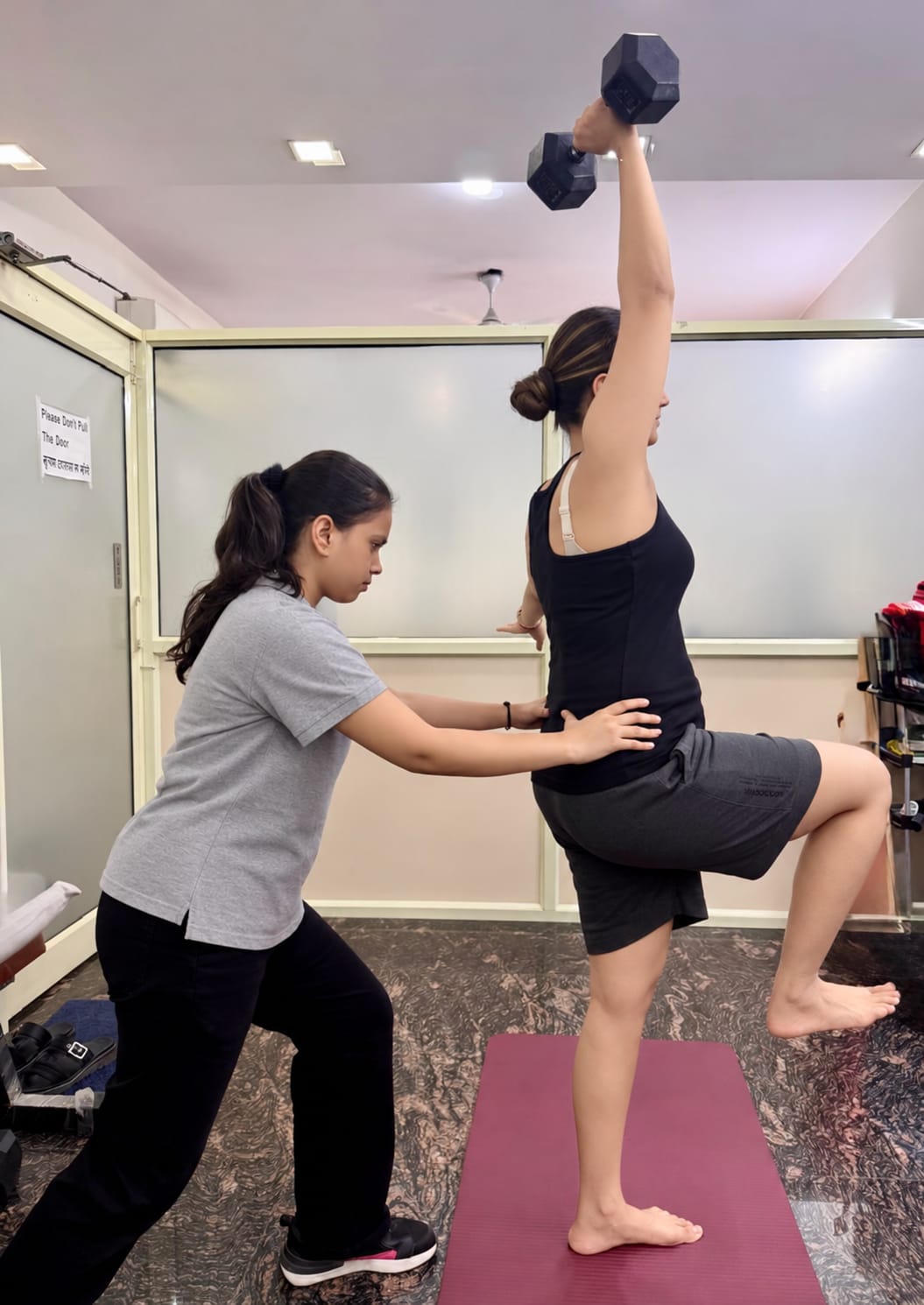
We analyse squatting, hip hinging, pressing and overhead movements alongside joint mobility and strength.

Rehabilitation may include movement-pattern retraining, targeted gluteal or rotator-cuff strengthening, core-muscle strengthening and progressive resistance training.

We help you return to exercise with better technique, controlled progression and fewer avoidable flare-ups.

Pre- & Postnatal Pelvic Health

24. Pre- & Postnatal Pelvic Health

Pregnancy and childbirth may affect pelvic-floor function, abdominal strength, pelvic-girdle stability and physical comfort.

We assess breathing coordination, abdominal control, pelvic-floor symptoms and functional movement.

Treatment may include pelvic-floor coordination exercises, progressive deep abdominal and core-muscle strengthening, and gluteal or pelvic-girdle rehabilitation.

We guide safe physical activity and a gradual return to exercise throughout pregnancy and postpartum recovery.

Pelvic Pain

25. Pelvic Pain

Pelvic pain may involve pelvic-floor muscle tension, musculoskeletal dysfunction or gynaecological, urinary and gastrointestinal conditions.

We assess pelvic-floor function, hip mobility, abdominal sensitivity and relevant non-musculoskeletal warning signs.

Where appropriate, treatment may include pelvic-floor down-training, gentle hip or abdominal soft-tissue release, deep core-muscle strengthening and graded mobility exercises.

We teach relaxation and self-management techniques while coordinating medical care when necessary.

Fibromyalgia

26. Fibromyalgia

Fibromyalgia is a chronic condition involving widespread pain, fatigue, sleep disturbance and increased pain sensitivity.

We assess physical capacity, movement tolerance and individual factors affecting daily function.

Supportive treatment may include paced aerobic exercise, graded core-muscle strengthening and gentle myofascial techniques for temporary comfort.

We help patients develop sustainable activity routines, understand flare-ups and improve quality of life through long-term self-management.

Rib Pain

27. Rib Pain

Rib pain may result from intercostal muscle strain, costovertebral or costotransverse joint irritation, chest-wall inflammation or injury.

We assess rib mobility, thoracic spine mechanics, breathing patterns and the surrounding intercostal muscles to identify potential musculoskeletal causes.

Treatment may include gentle costovertebral joint mobilisation, intercostal and thoracic myofascial release, and diaphragmatic breathing exercises.

We help restore comfortable chest-wall movement and teach posture, breathing and activity modifications to reduce recurring discomfort.

Shoulder Blade Pain

28. Shoulder Blade Pain

Shoulder blade pain commonly arises from muscular overload, sustained postures, altered scapular movement or pain referred from the cervical spine.

We assess scapulothoracic mechanics, cervical and thoracic mobility, and restrictions involving the trapezius, rhomboids and levator scapulae.

Treatment may include rhomboid and levator scapulae myofascial release, thoracic joint mobilisation, and serratus anterior and lower trapezius strengthening.

We retrain shoulder-blade coordination, postural endurance and upper-body movement patterns to improve comfort and minimise recurrence.

Mid-Back Pain (Thoracic Spine Pain)

29. Mid-Back Pain (Thoracic Spine Pain)

Mid-back pain may develop from thoracic joint stiffness, prolonged sitting, muscle overload, rib dysfunction or degenerative spinal changes.

We evaluate thoracic vertebral and rib mobility, paraspinal muscle tension, scapular mechanics and spinal movement patterns.

Treatment may include thoracic facet joint mobilisation, erector spinae and paraspinal myofascial release, and thoracic extension and rotation exercises.

We combine postural retraining, core-muscle strengthening and ergonomic guidance to improve spinal mobility and help prevent recurring pain.

Radiating Arm Pain (Cervical Radiculopathy / Brachialgia)

30. Radiating Arm Pain (Cervical Radiculopathy / Brachialgia)

Radiating arm pain may originate from cervical nerve-root irritation, commonly associated with disc-related changes or narrowing of the neural foramina, although peripheral nerve conditions can produce similar symptoms.

We assess cervical spine mechanics, neurological function, nerve sensitivity and muscular restrictions involving the scalenes, pectorals and surrounding shoulder girdle.

Treatment may include symptom-guided cervical and thoracic mobilisation, median or radial nerve-gliding exercises, and deep -flexor and scapular stabilisation training.

We work to reduce nerve irritation, improve movement and strength, and teach ergonomic and activity modifications to help minimise recurring symptoms.

Thumb Pain / De Quervain's Tenosynovitis

31. Thumb Pain / De Quervain's Tenosynovitis

Thumb pain, including De Quervain's tenosynovitis, commonly develops from repetitive gripping, lifting, prolonged phone use or irritation of the tendons around the thumb and wrist.

We assess thumb and wrist mobility, surrounding soft-tissue restrictions, sensitive trigger points and compensatory movement patterns involving the hand and forearm.

Treatment will include Integrated Functional Therapy™ (IFT), combining relevant myofascial release, trigger-point therapy, appropriate joint mobilisation and corrective movement exercises.

We help restore comfortable gripping, lifting and thumb movements while teaching activity modifications, gradual strengthening and strategies to reduce recurring strain.

Wrist Pain / TFCC Injury

32. Wrist Pain / TFCC Injury

We assess wrist mobility, joint stability, surrounding soft-tissue restrictions and compensatory movement patterns involving the hand, forearm and elbow.

Treatment will include Integrated Functional Therapy™ (IFT), combining relevant myofascial release, trigger-point therapy, appropriate joint mobilisation when safe and progressive movement correction.

We focus on restoring wrist stability, comfortable gripping and functional movement through guided rehabilitation, appropriate loading modifications and strategies to minimise reinjury.

Diastasis Recti Rehabilitation

33. Diastasis Recti Rehabilitation

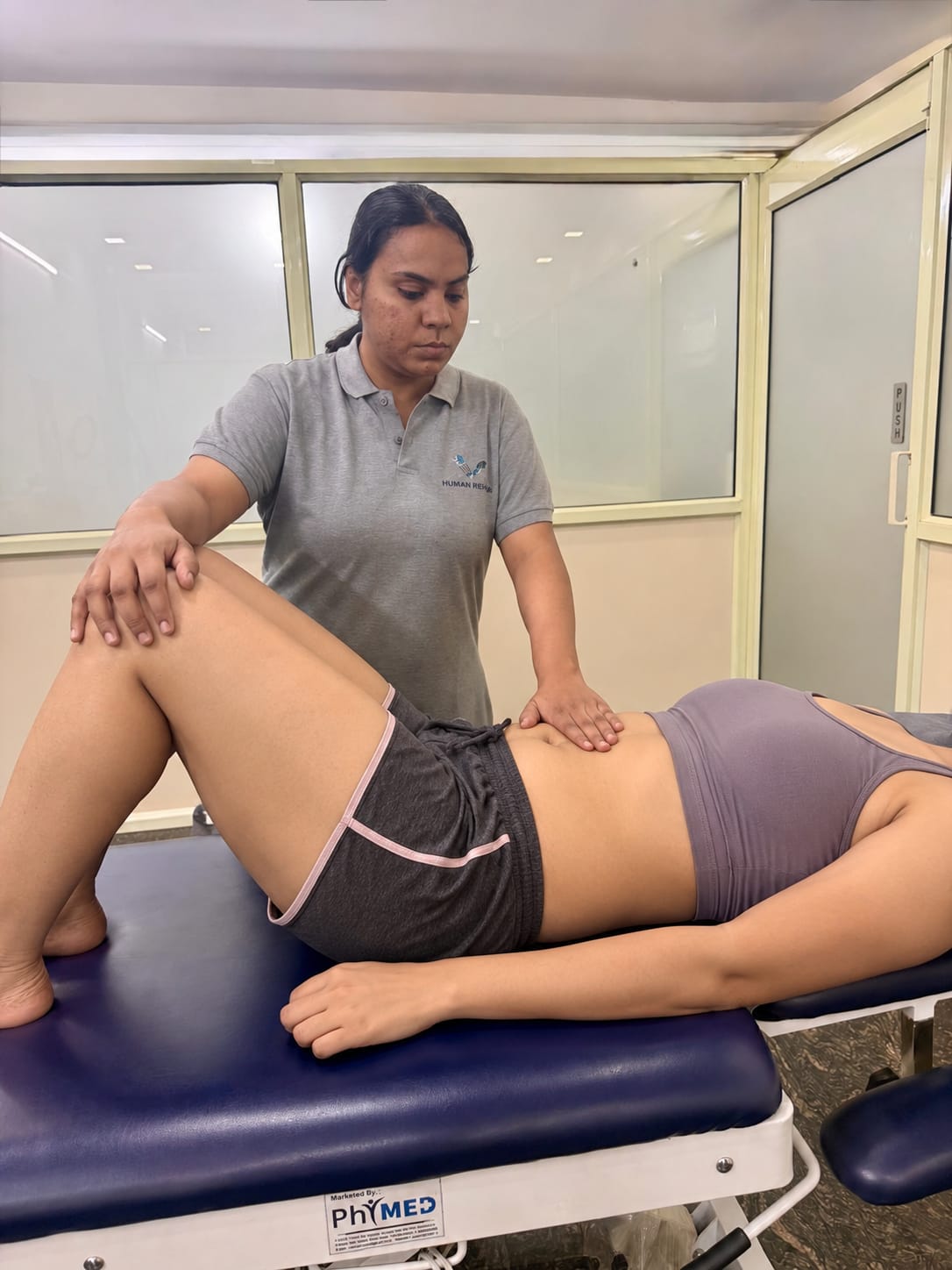
Diastasis Recti is the separation of the abdominal muscles, commonly seen after pregnancy, due to stretching and widening of the connective tissue (fascia) that holds them together. This may affect abdominal strength, stability and overall core function.

At Human Repair, our Integrated Functional Therapy™ (IFT) approach focuses on improving the mobility of the surrounding fascia and soft tissues, helping the abdominal muscles work together more effectively.

This is followed by specific, supervised core-strengthening exercises designed to improve muscular coordination, rebuild abdominal strength and support long-term recovery.

Our goal is not just to address the abdominal gap, but to restore strength, function and confidence in your body.

C-Section Scar Tissue Release

34. C-Section Scar Tissue Release

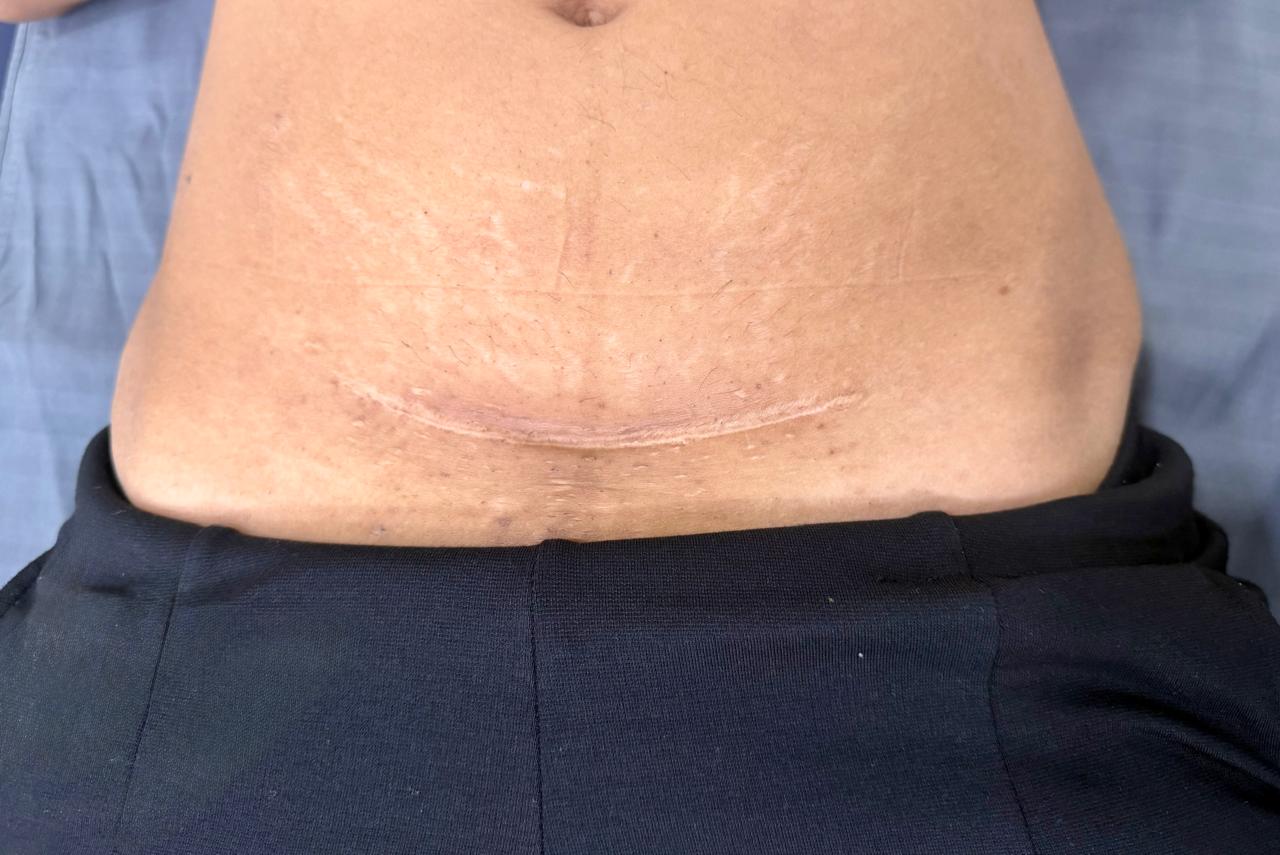
During a C-section, the surgeon passes through multiple layers of tissue, commonly described as seven layers, to deliver the baby. As these tissues heal, scar tissue forms, and the connective tissue fibres may develop in a less organised pattern, sometimes creating tightness, adhesions and restricted mobility.

For some women, these restrictions may contribute to persistent pulling sensations and discomfort, and may coexist with lower back pain and pelvic dysfunction—even years after childbirth.

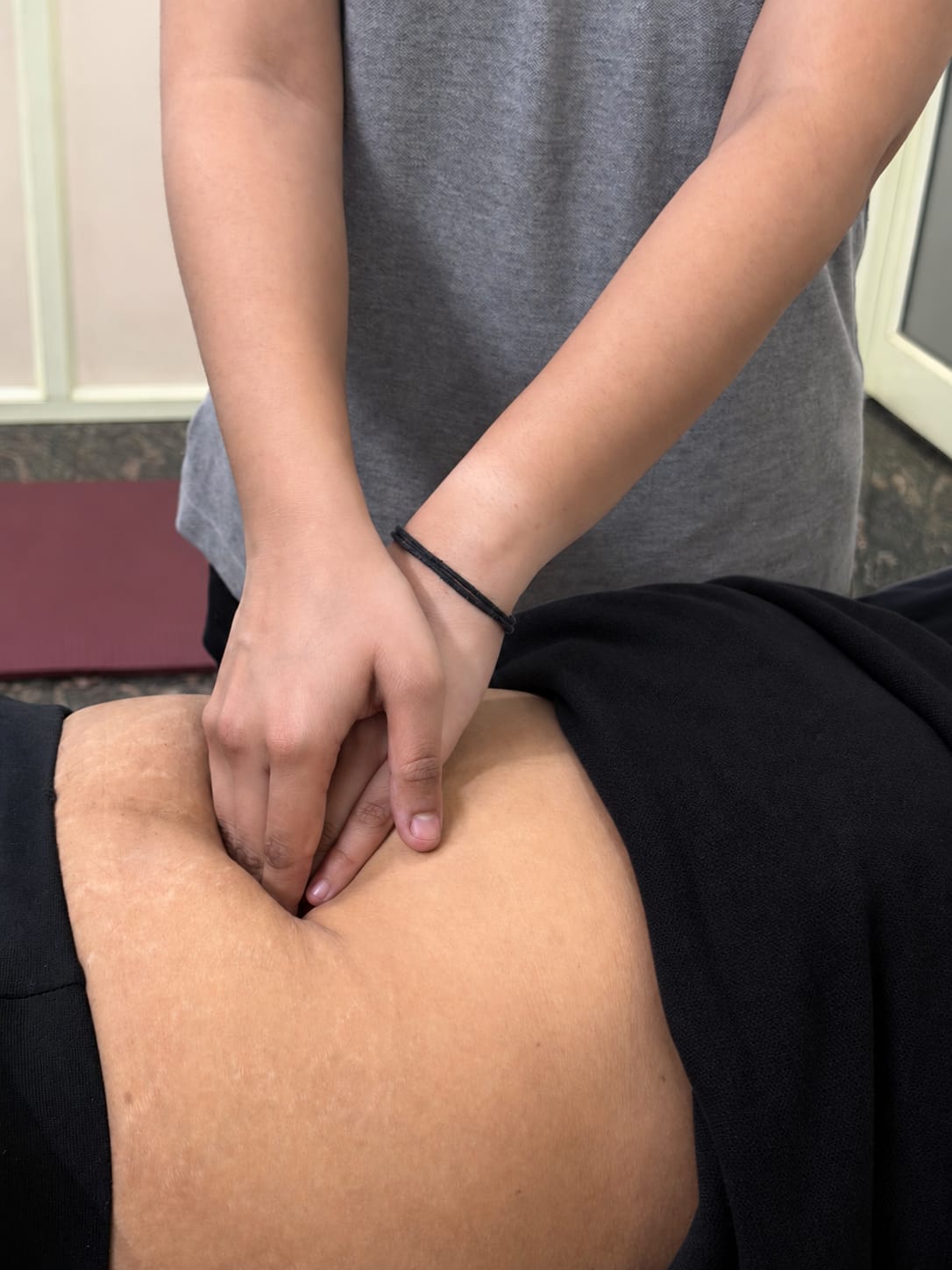
At Human Repair, our Integrated Functional Therapy™ (IFT) approach focuses on gentle scar tissue mobilisation and myofascial release, once healing is complete, to help improve tissue mobility and comfort.

This is complemented by individualised therapeutic exercises to improve abdominal function, restore comfortable movement and support long-term recovery.

Because recovery from a C-section is about more than a healed scar—it\'s about restoring comfort, movement and confidence in your body.
LIVE YOUR BEST

Your recovery deserves more than temporary relief.

At Human Repair®, our signature Integrated Functional Therapy™ (IFT) approach combines holistic assessment, hands-on treatment, correction of compensatory movement patterns and specific therapeutic exercises. We focus on understanding the factors contributing to your pain, improving joint mechanics and helping you build healthier movement habits for long-term recovery.

Book Your Assessment